


Choosing a professional ensures that your roofing repair in Seattle or replacement is handled with expertise. Professionals provide reliable home improvement services, ensuring that your roof and gutters are installed correctly, saving you time and money in the long run. They also have access to high-quality materials and can offer warranties on their work.
Inspect your roof for signs of damage or wear. If you notice cracked, missing, or worn shingles or tiles, it might be time for a roof shingle replacement or roof tile replacement. A professional can provide a thorough assessment and recommend the best course of action based on the extent of the damage and the overall condition of your roof.
If your roof is damaged during a storm, contact a professional roof repair contractor immediately. While waiting for professional help, try to cover any exposed areas with a tarp to prevent further water damage.
The duration of a roof replacement depends on the size and complexity of the project. On average, a standard residential roof replacement can take anywhere from a few days to a week. Weather conditions and the type of roofing material can also affect the timeline.
Sea Renovation Inc. is a licensed and insured general construction company with over a decade of experience. We specialize in transforming houses into dream homes across the Seattle metro area through exceptional professionalism, top-tier materials, and an unwavering commitment to bringing your vision to life.
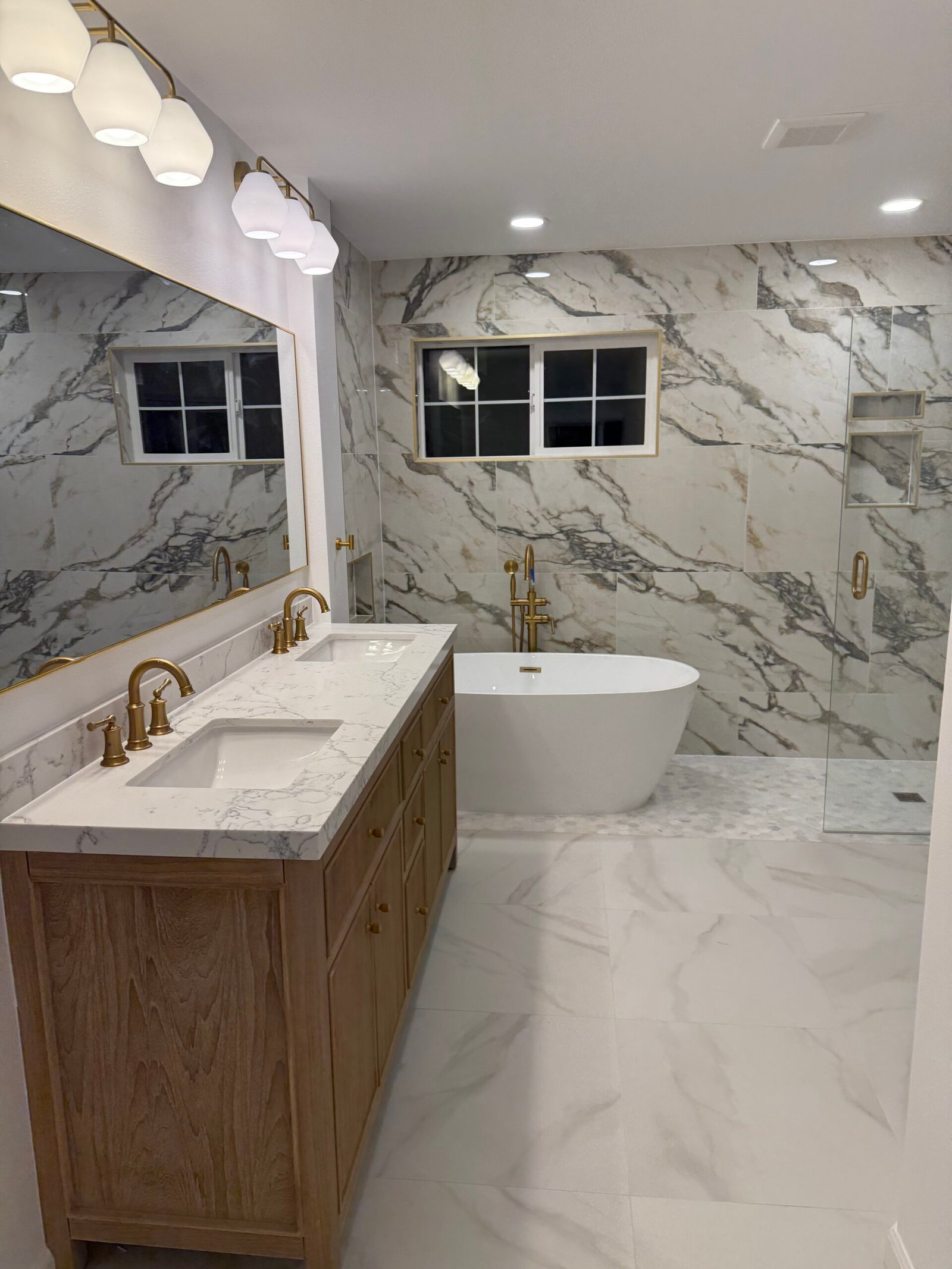
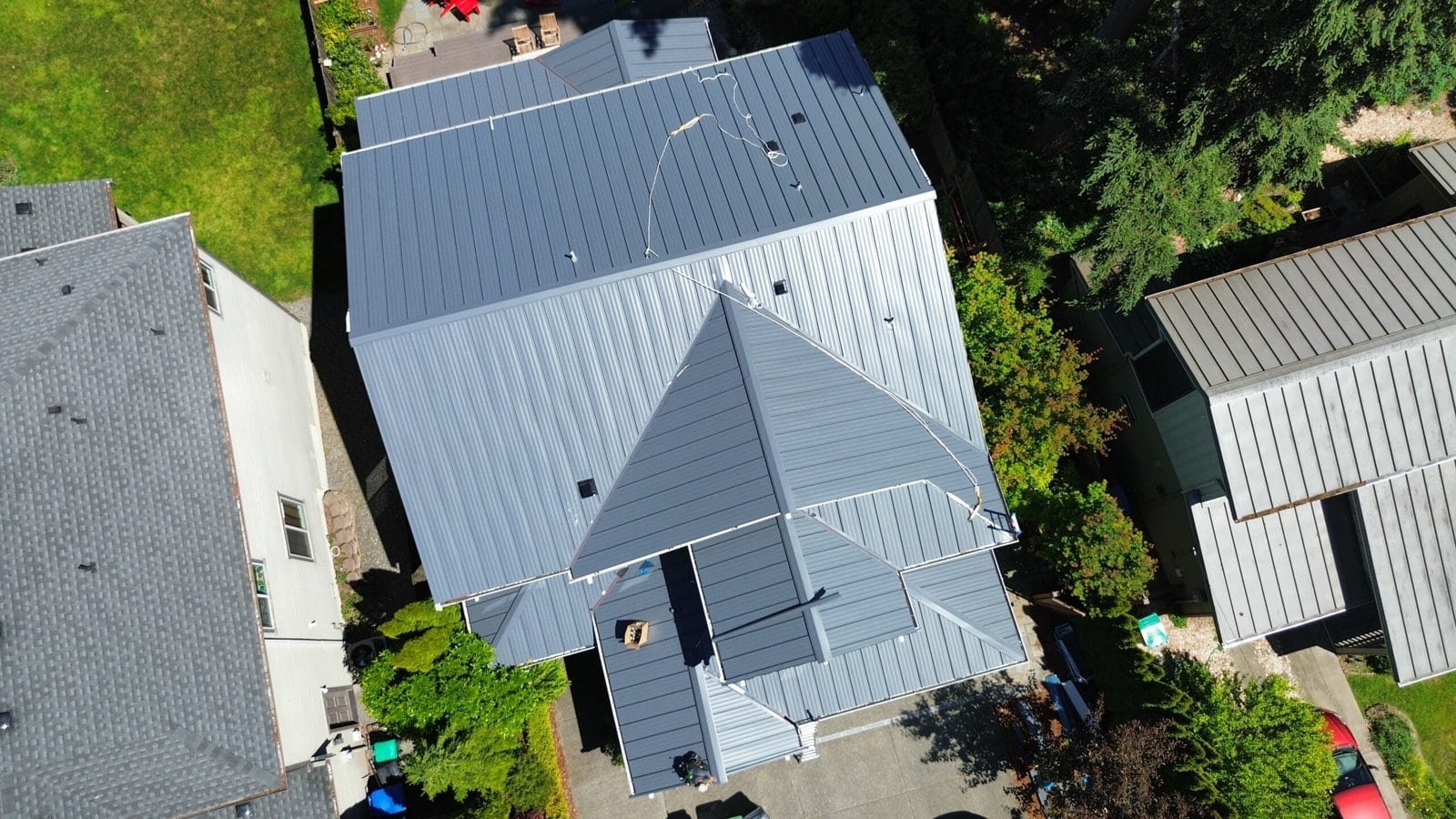
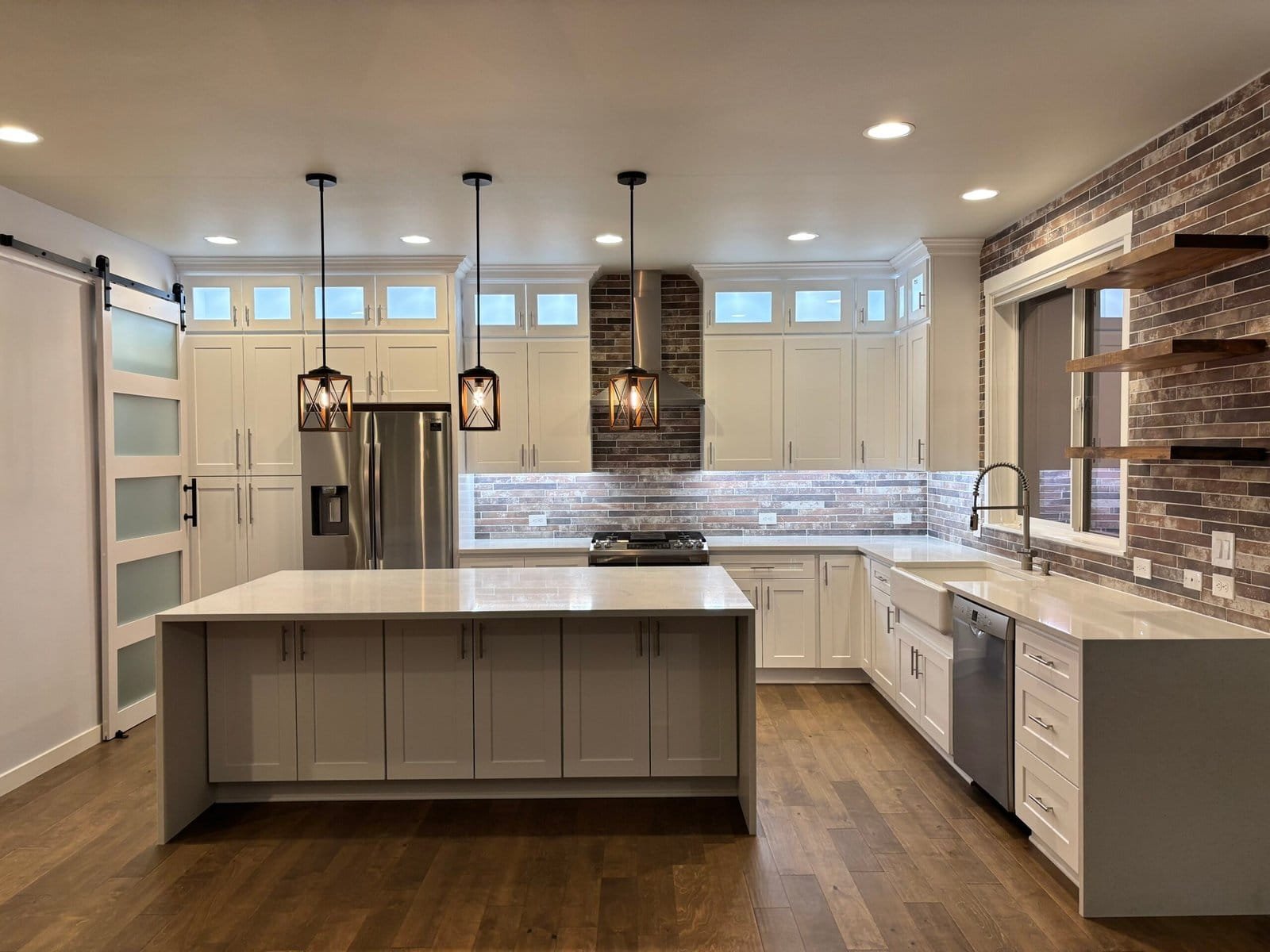
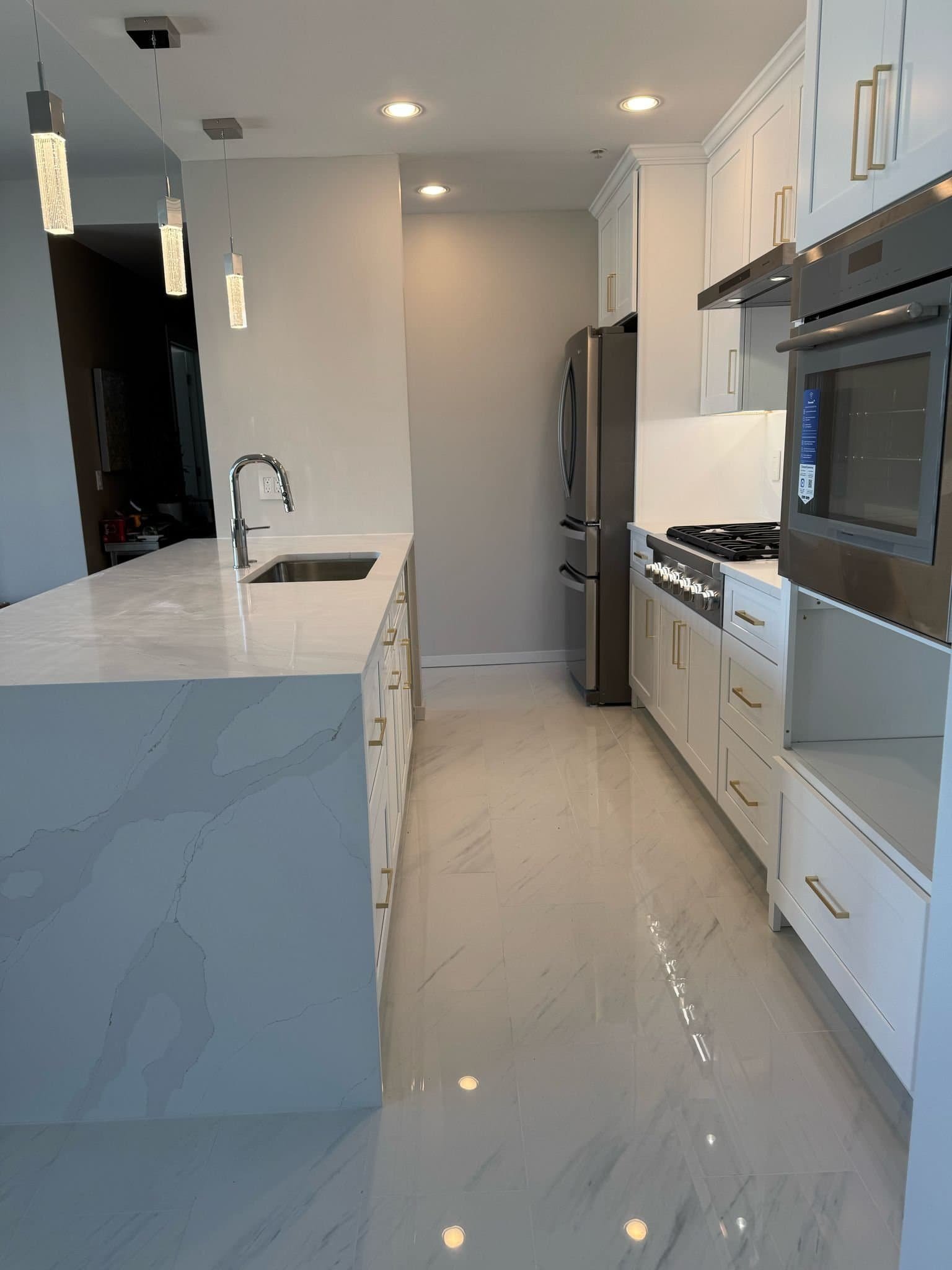
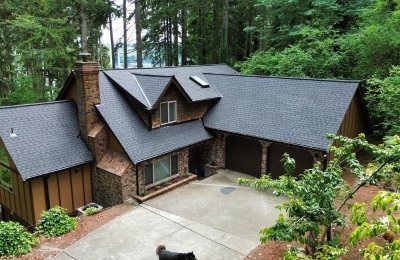
Sea Renovation focuses exclusively on kitchens, bathrooms, and decks because that’s where homeowners see the biggest impact.
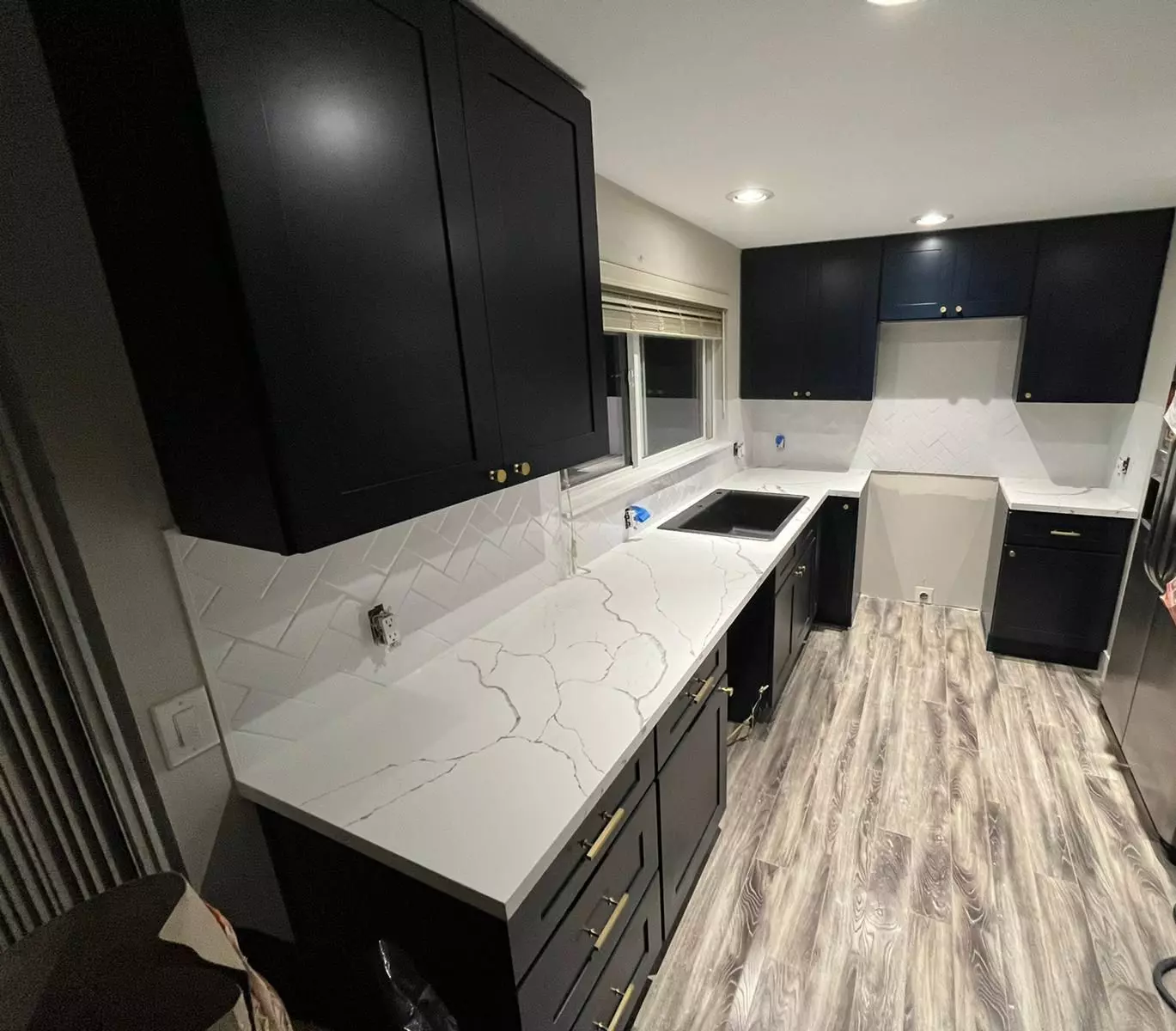
Transform your kitchen with custom cabinetry, premium countertops, and modern high-end finishes.
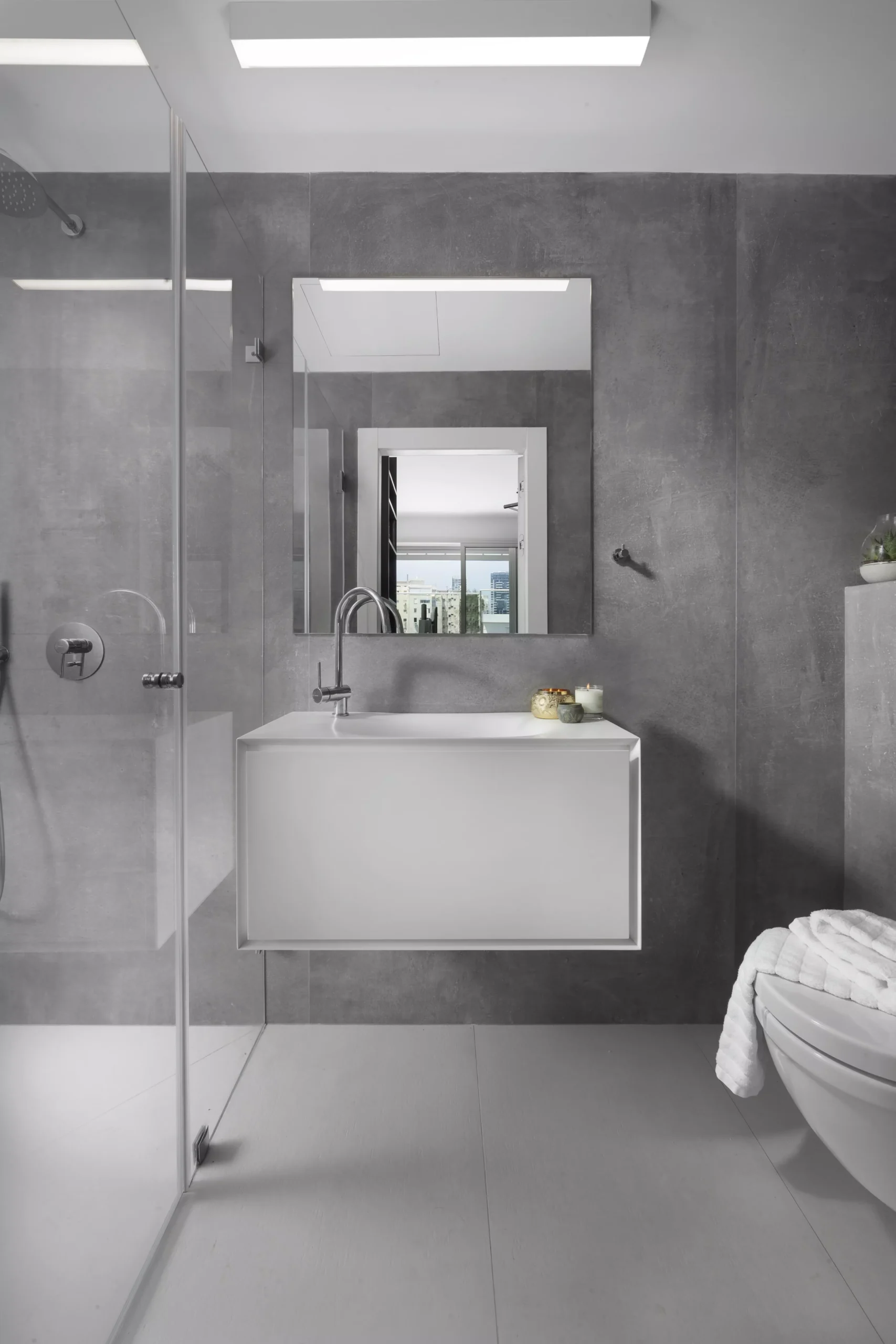
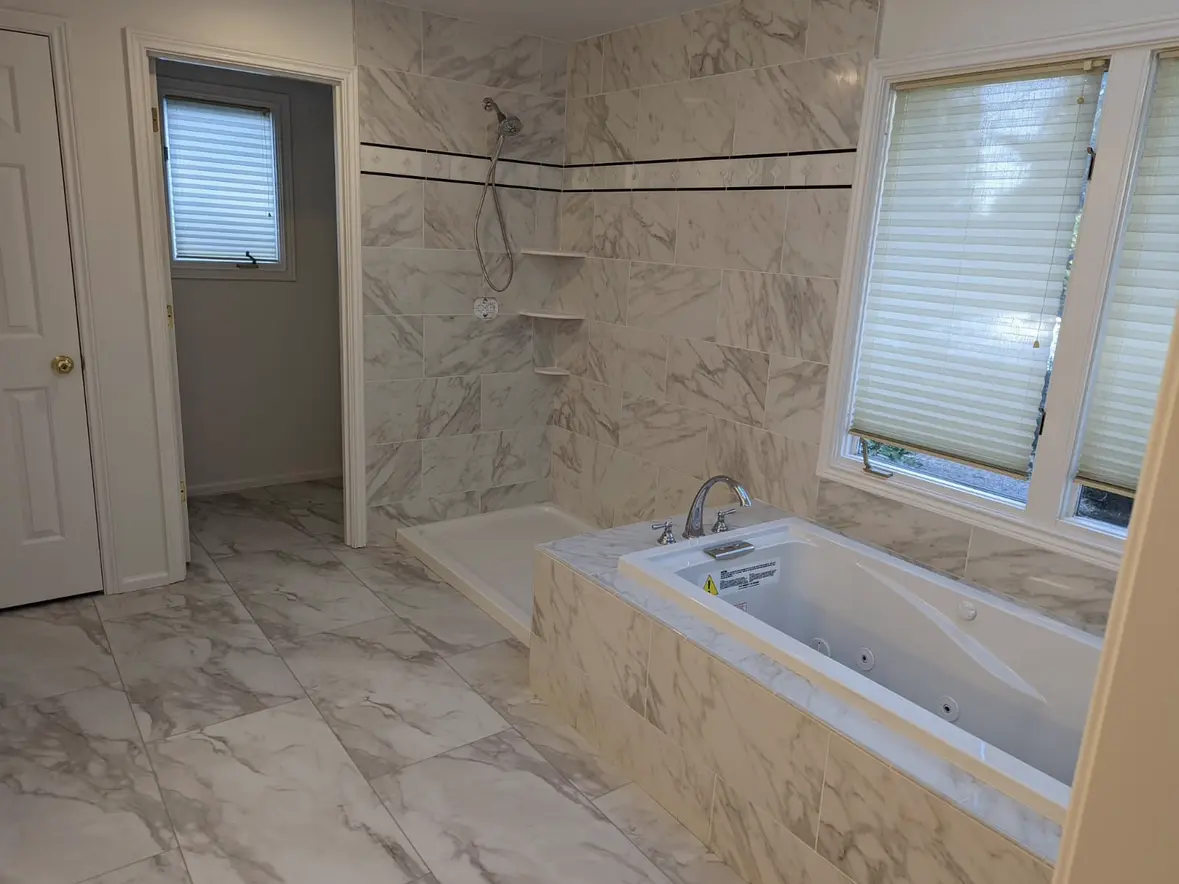
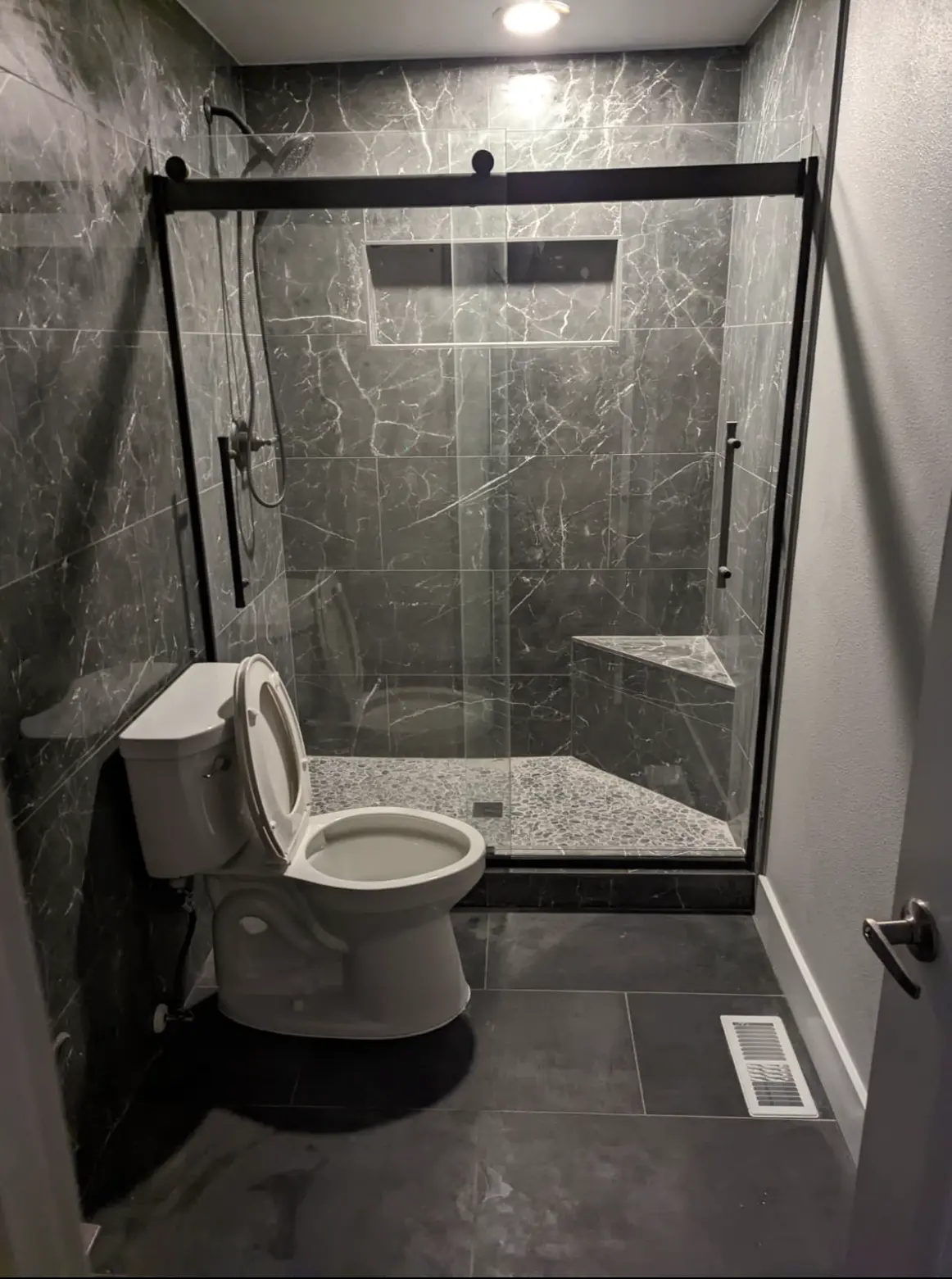
Create a spa-like retreat with custom tile installation, luxury fixtures, and elegant vanities.
Enhance your outdoor living space with custom designs, durable materials, and expert craftsmanship.
We don’t just build houses; we craft personalized living spaces. Discover why homeowners across Seattle trust us with their most valuable asset.
Discover expert tips to improve your home renovation projects, guaranteeing quality, functionality, and long-lasting value for every upgrade in Seattle, WA.
When undertaking kitchen remodeling, prioritize functionality and durability. Plan a layout that maximizes efficiency, like the classic work triangle between the stove, sink, and refrigerator. Opt for materials that withstand Seattle's humid climate, such as moisture-resistant flooring and quartz countertops. Incorporate energy-saving appliances and LED lighting to cut utility costs while enhancing sustainability. To add personality, consider unique finishes like custom cabinetry or eye-catching backsplashes. By blending practicality with aesthetic appeal, your remodeled kitchen will not only suit your lifestyle but also stand the test of time.
Transforming your bathroom into a functional and stylish space requires thoughtful planning and execution. Start by prioritizing the essentials like proper ventilation and waterproofing to prevent future issues. Choose durable, water-resistant materials for floors and walls, such as tiles or engineered wood. Incorporate smart storage solutions, like recessed shelves or floating vanities, to maximize space. Adding modern fixtures, such as energy-efficient LED lighting and eco-friendly faucets, can elevate the design and reduce utility costs. Don’t overlook small details like grout color and hardware finishes—they can significantly impact the overall aesthetic.
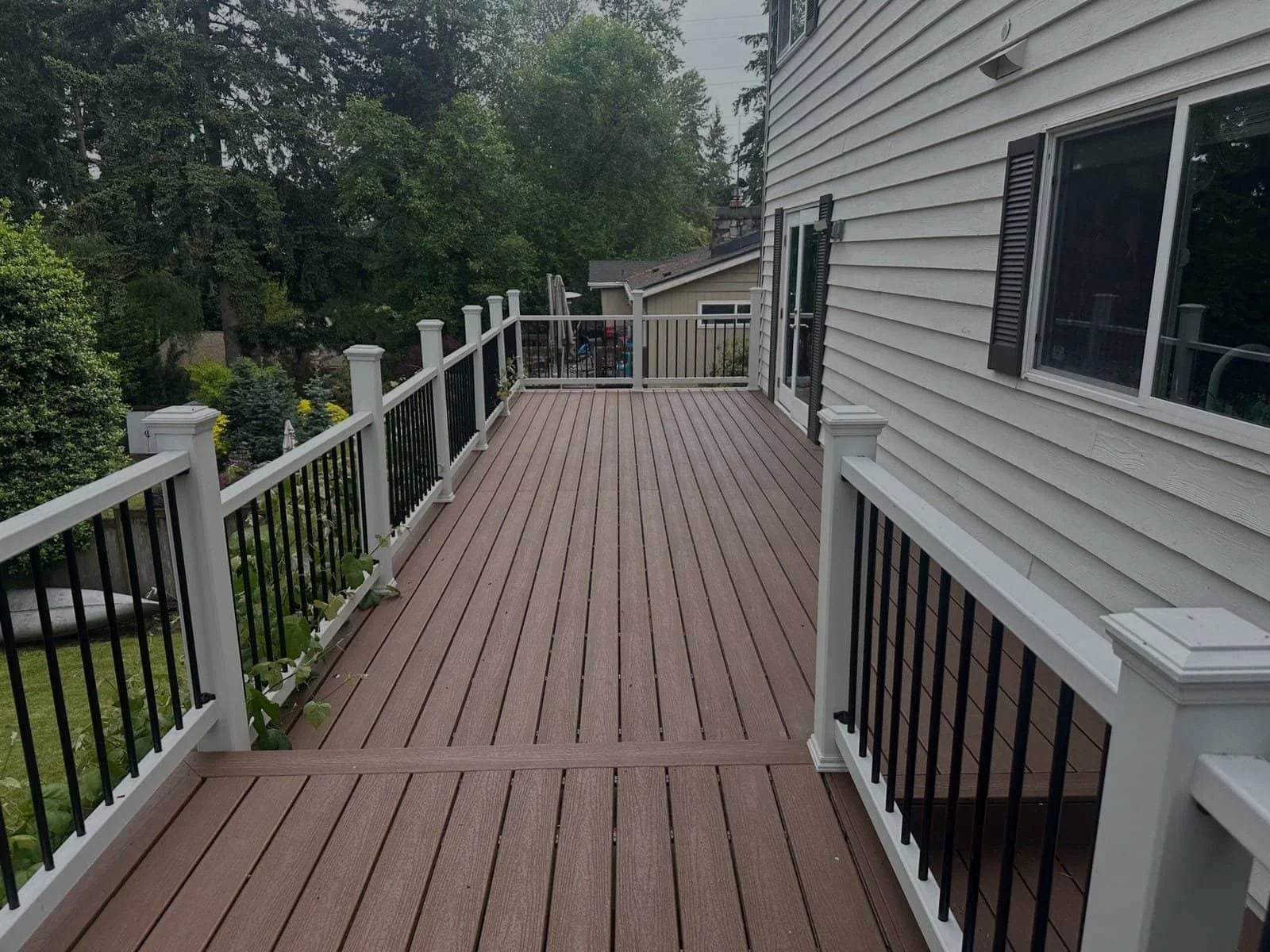
When considering deck construction, focus on durability and design. Choose materials like cedar or composite for resilience against the region’s wet climate. Incorporate drainage solutions to prevent water pooling and structural damage. Prioritize safety by ensuring sturdy railings and non-slip finishes. Think about the deck's functionality—integrate features like planters or built-in storage to maximize space. For a seamless look, match the deck’s design with your home’s architecture. To keep it in top condition, schedule annual inspections and refinishing.
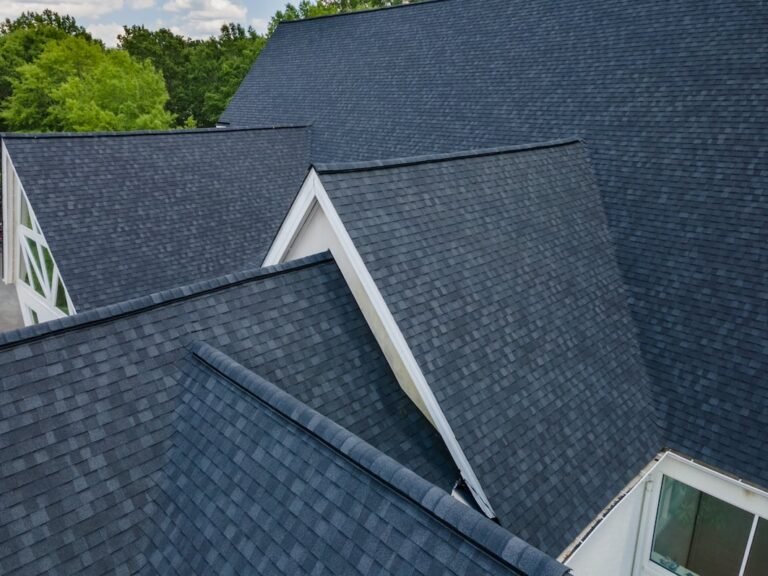
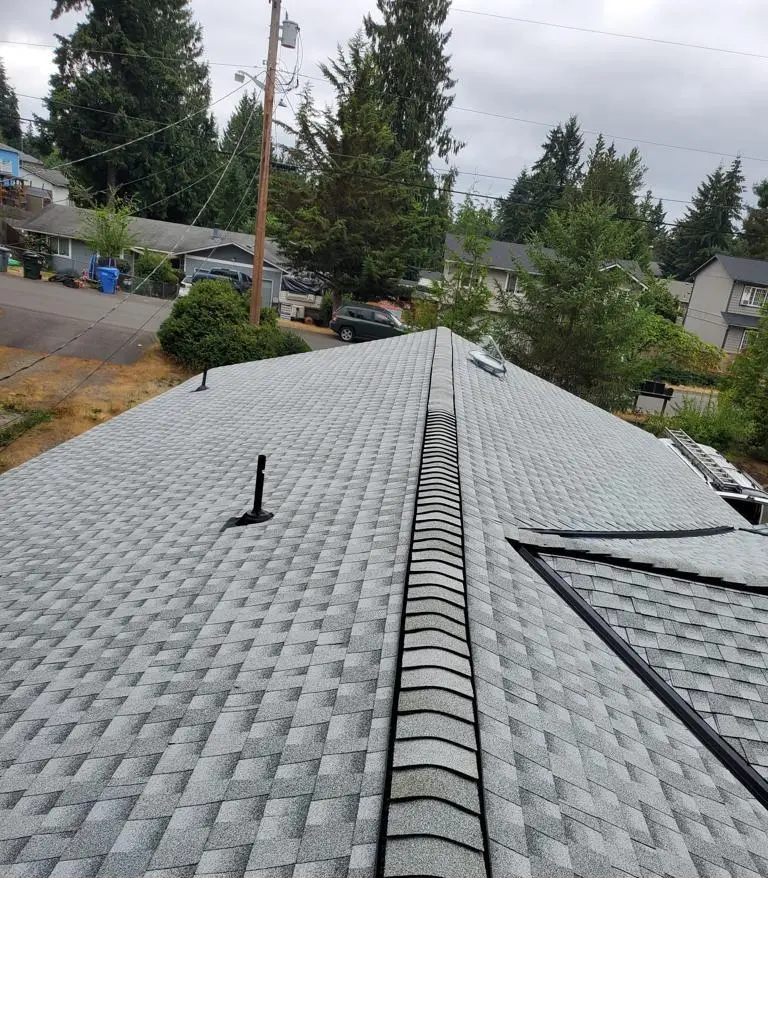
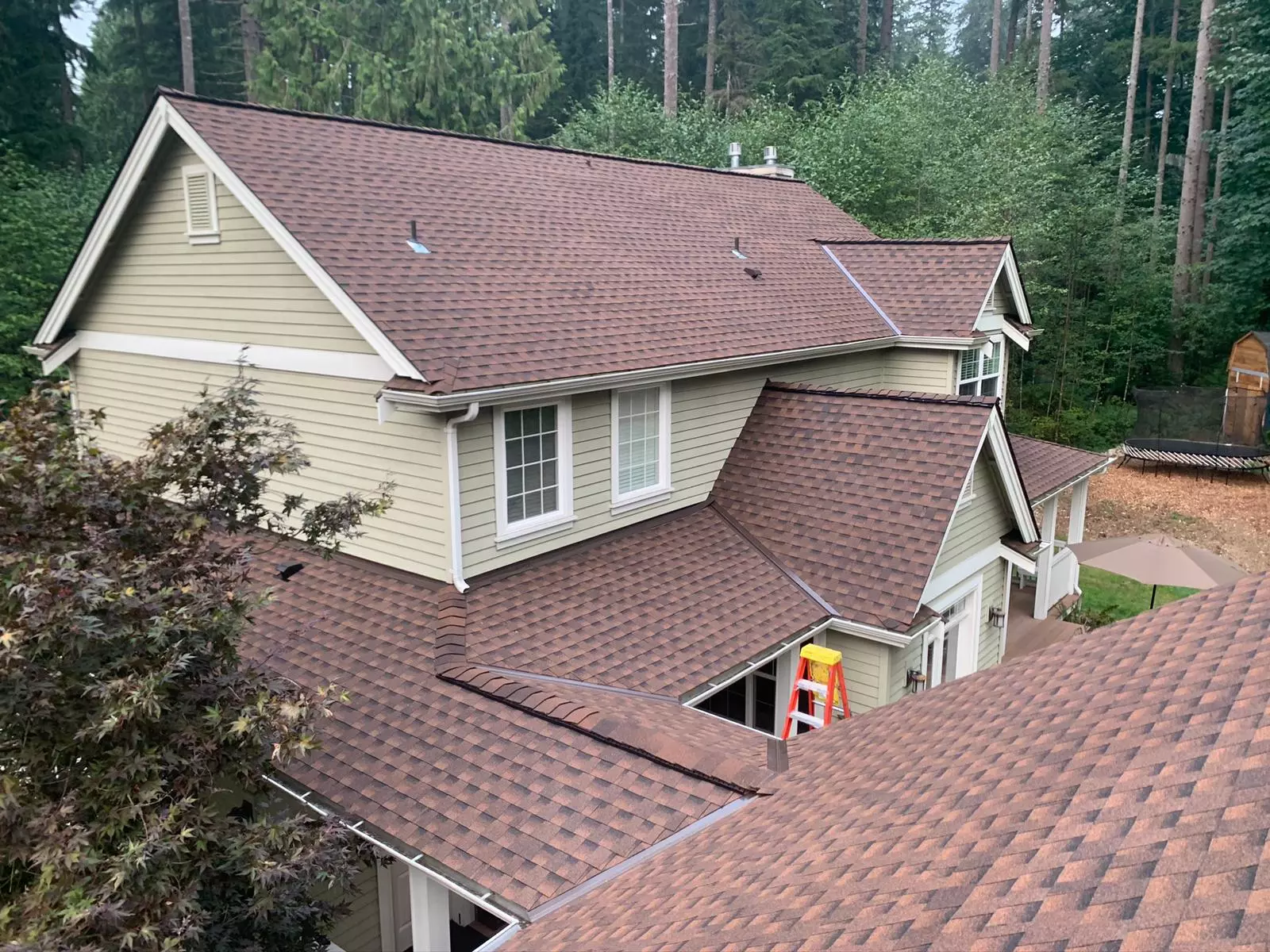
When planning a roof replacement, start by choosing the right materials to suit your home's style and climate needs. Opt for durable options like asphalt shingles or metal roofing for longevity and energy efficiency. Schedule regular inspections before the replacement to identify hidden issues like leaks or structural damage. Proper installation is crucial—ensure that professionals follow advanced techniques to secure a weather-resistant finish. Consider adding features like reflective coatings to reduce energy costs. Don’t forget to plan for ventilation to maintain your roof’s condition over time.
Elevate your home’s functionality with a thoughtfully designed basement remodel. Start by addressing insulation and moisture control for a durable foundation. Choose versatile layouts to maximize the space, whether for a guest suite, game room, or home office. Add modern flooring and recessed lighting for a polished finish. Incorporate storage options like built-in shelves to keep the area organized and tidy. For added convenience, consider including a bathroom or wet bar. Don’t overlook energy-efficient upgrades like improved ventilation and smart lighting systems.
A durable driveway concrete enhances your home's curb appeal and functionality. Start with a solid foundation to prevent cracks and sinking. Use high-quality concrete mixes for lasting results and consider applying a weather-resistant sealant for added protection. Regular maintenance, including cleaning and sealing, preserves both appearance and durability. Explore options like stamped or colored concrete to add a personalized touch to your driveway. Address minor cracks promptly to avoid costly repairs later.
Metal roofing offers durability, energy efficiency, and modern aesthetics for homeowners. To maximize its benefits, ensure proper installation by professionals who specialize in metal roofing systems and weatherproofing techniques. Choose premium materials like steel or aluminum for enhanced longevity and protection against extreme weather. Regular maintenance, such as cleaning debris and checking for loose fasteners, ensures your roof remains in top condition. Applying reflective coatings can boost energy efficiency by reducing heat absorption, saving on cooling costs.
Trustindex verifies that the original source of the review is Google. I was impressed by how quickly and steadily they worked and the finished product is beautifulPosted onTrustindex verifies that the original source of the review is Google. We recently had to perform roof repairs due to storm damage. Ben’s team at Sea renovation did the required repairs within a day avoiding any further damage. Ben was very quick to respond and provided a reasonable quote and completed the repairs by next day. Would definitely recommend Sea renovation for all your home renovation needs.Posted onTrustindex verifies that the original source of the review is Google. My wife and I have been exceptionally pleased with the quality of work, as well as the personal attention to detail we have received from Sea Renovation. They are wonderful to work with, fair, and transparent in their dealings.Posted onTrustindex verifies that the original source of the review is Google. Very nice people and they finished the same dayPosted onTrustindex verifies that the original source of the review is Google. We recently had SEA Renovations, led by Ben, complete a large-scale renovation of our deck, and I couldn’t be happier with the results. As with any project, a few issues arose, but Ben handled them with grace, attention to detail, and a commitment to excellence. His professionalism and expertise truly stood out, making him the best in the business. I highly recommend!Posted onTrustindex verifies that the original source of the review is Google. I recently had the pleasure of working with Dave the project manager on the complete renovation of two bathrooms, and I couldn’t be happier with the results. From start to finish, the communication was absolutely top-notch. I was kept informed of every little detail throughout the process, which made the entire experience stress-free and enjoyable. They went above and beyond to assist me with the materials I had purchased, ensuring everything was used efficiently and in the best way possible. Their attention to detail and professionalism were evident at every stage. The final result is nothing short of perfect – the bathrooms are beautifully designed and flawlessly executed. Dave exceeded all my expectations, and I wouldn’t hesitate to recommend them to anyone looking for high-quality craftsmanship and outstanding customer service!Posted onTrustindex verifies that the original source of the review is Google. We hired Sea renovation for some framing work and drywall needed for our bathrooms. Dave, our project manager, was so proactive, communicative, and friendly. He ensured everything ran smoothly—I was amazed at how quickly we were able to get the project done! The crew who did the work were polite, prompt, and professional. It is such a relief to find a reliable, quality contracting company. We will definitely work with Sea renovation again for future projects!Posted onTrustindex verifies that the original source of the review is Google. I LOVE my new deck. I expected a quality deck built with professionalism, but I received so much more. I want to thank my project manager Dave Amir for going above and beyond throughout the entire project. He communicated with me either in person, or by text or phone nearly everyday to ensure I was satisfied. He actually started before I even hired them. When he was here to submit a quote, my dogs got outside and he spent 20 minutes walking the neighborhood with me to get them back. The price was very competitive, and he invested his time and explained clearly what to expect and how the project would unfold, and took his time to answer my questions while giving the quote, before I even hired them for the job. The other bids I got were rushed and they didn't explain anything except the products that would be used and prices. He somehow managed to start my deck 2 weeks before promised, and it was actually completed the same week we were originally supposed to begin. I even added to the project twice, and he didn't price gouge, and the crew still managed to finish within the original time frame. The craftsmanship is fantastic, the crew really knew what they were doing. I'm a perfectionist, and I was actually surprised at how they applied such exacting standards. The pride they took in their work was obvious. All the boards are exactly even, screw heads are all flush, not over torqued and biting into the boards, but also not sticking up. They cleaned up daily, even using a leaf blower to get rid of the sawdust to prevent tracking. They even made a special trip out after they were done just to put our smoker/grill back up on the deck for us when I mentioned to Dave we couldn't do it because of health issues. I would recommend them to anyone, and actually have to my hairdresser for her patio roof. Thank you so much to Dave and crew for making this such a smooth process and for giving me a deck I'm going to enjoy sitting on for years to come!Posted onTrustindex verifies that the original source of the review is Google. We used Sea Renovation because we needed to update a bathroom prior to selling our home and they really delivered. Because we weren't renovating something we would be using forever, we needed to keep costs in check but we still got a product that is high quality and done without any major surprises. We really liked the team of people that came to do the work because they were kind, easy to work with, and they always left the job site clean and better than they found it. We also liked that we didn't have to work with a designer and were able to pick everything out ourselves so we got the design that worked for our tastes AND budget. We'll definitely be getting bids from them after we move into our new place and design our forever bathrooms and kitchen. Enjoy the before and after photos!Posted on






SEA Renovation proudly serves homeowners and businesses across the Puget Sound area, including: Everett, Lynnwood, Edmonds, Shoreline, Bothell, Kirkland, Redmond, Bellevue, Sammamish, Newcastle, Issaquah, North Bend, Renton, Burien, Maple Valley, Kent, Gig Harbor, Federal Way, Auburn, Tacoma, Fife and Puyallup. Contact us to discuss your project in any of these locations.
Hover over a marker to see project details · Use Ctrl/Cmd + Scroll to zoom · Drag to pan Tap a marker to see project details · Pinch to zoom · Drag to pan
Don’t wait to create the space you have always imagined. Contact Sea Renovation today to schedule your free consultation with our expert Seattle home remodelers.

Sea Renovation Is A General Construction And Remodeling Company Who Specialize In A Wide Range Of Remodels, Interior And Exterior.
Copyright © 2024 All rights reserved. Sea Renovation