Bathroom Remodeling Cost Seattle (2026 Guide) | Sea Renovation

Summary:

In Seattle, a basic bathroom refresh costs $8,000 to $15,000, while mid-range projects with new tile and vanities typically run $15,000 to $30,000. Full luxury remodels involving layout changes or high-end finishes often exceed $60,000. Because local labor rates are high and older homes frequently hide plumbing issues, maintaining a 15% contingency fund is vital. Keeping your original plumbing footprint and choosing quartz or porcelain over natural stone are the best ways to stay within budget.
Table of contents

How Much Does Bathroom Remodeling Cost in Seattle? (2026 Guide)

If you’re a Seattle homeowner thinking about updating your bathroom, the first question on your mind is probably: what’s this going to cost me? It’s a fair question, and honestly, there’s no single answer. Bathroom remodeling cost in Seattle depends on a handful of factors, from the size of your space and the materials you pick to how much structural work is involved. A quick cosmetic refresh looks nothing like a full gut renovation, and the price tags reflect that. Some projects come in under $10,000; others push past $50,000. The gap between those numbers is where your choices, your home’s existing conditions, and Seattle-specific factors (like permit requirements and moisture concerns) come into play. This guide breaks down real cost ranges for 2026, explains what drives prices up or down, and gives you practical ways to stretch your budget further. Whether you’re updating a powder room or completely redesigning your primary bathroom, you’ll walk away with a clear picture of what to expect before you call a contractor.

Average Bathroom Remodeling Costs in Seattle by Scope

Seattle Bathroom Remodel Cost by Scope (2026)

The single biggest factor in your final price tag is the scope of work. A basic cosmetic update, a mid-range renovation, and a full luxury remodel are three very different projects. Here’s what each tier typically looks like in the Seattle market for 2026.

Basic Remodel: $8,000 to $15,000

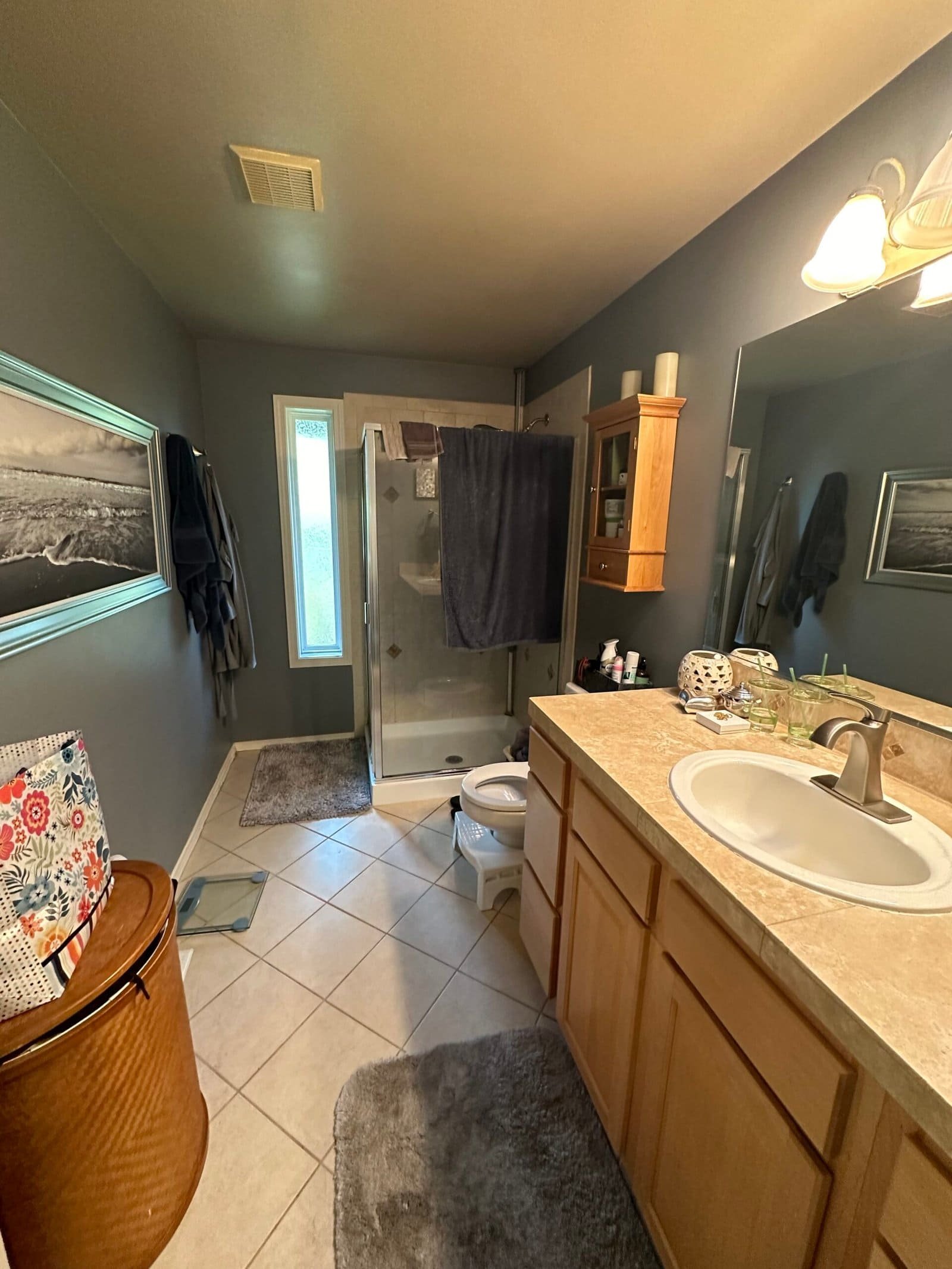
A basic remodel focuses on cosmetic upgrades that refresh the look and feel of your bathroom without touching the existing layout or plumbing. Think of it as a facelift, not surgery. This tier is ideal for bathrooms that are structurally sound but visually outdated.

What’s typically included:

  • New paint and updated lighting fixtures
  • Replacing the toilet with a standard model
  • Swapping out the vanity and faucet
  • Installing a new mirror and accessories (towel bars, toilet paper holder)
  • Replacing or refinishing the bathtub surround
  • Basic flooring update (vinyl plank or ceramic tile)

At this level, you’re keeping the plumbing where it is, skipping major tile work, and choosing mid-grade materials. It’s a smart choice for guest bathrooms, half-baths, or any space where you want a noticeable improvement without a big financial commitment.

Mid-Range Remodel: $15,000 to $30,000

This is the most popular tier for Seattle homeowners, and for good reason. A mid-range remodel gives you real design flexibility. You’re upgrading fixtures, improving functionality, and potentially making small layout tweaks. The bathroom looks and feels different when you’re done.

What’s typically included:

  • New tile flooring (porcelain or natural stone)
  • Tub-to-shower conversion or new shower enclosure with tile surround
  • Upgraded vanity with stone or quartz countertop
  • New toilet (comfort height or dual-flush model)
  • Improved ventilation fan
  • Partial or full retiling of walls
  • Updated plumbing fixtures (rain showerhead, modern faucets)
  • Better lighting, including recessed or sconce options

If your bathroom remodeling project in Seattle falls in this range, you’re getting a meaningful transformation that most visitors and potential buyers will notice immediately. This is where you see the best balance between investment and impact.

Luxury Remodel: $30,000 to $60,000+

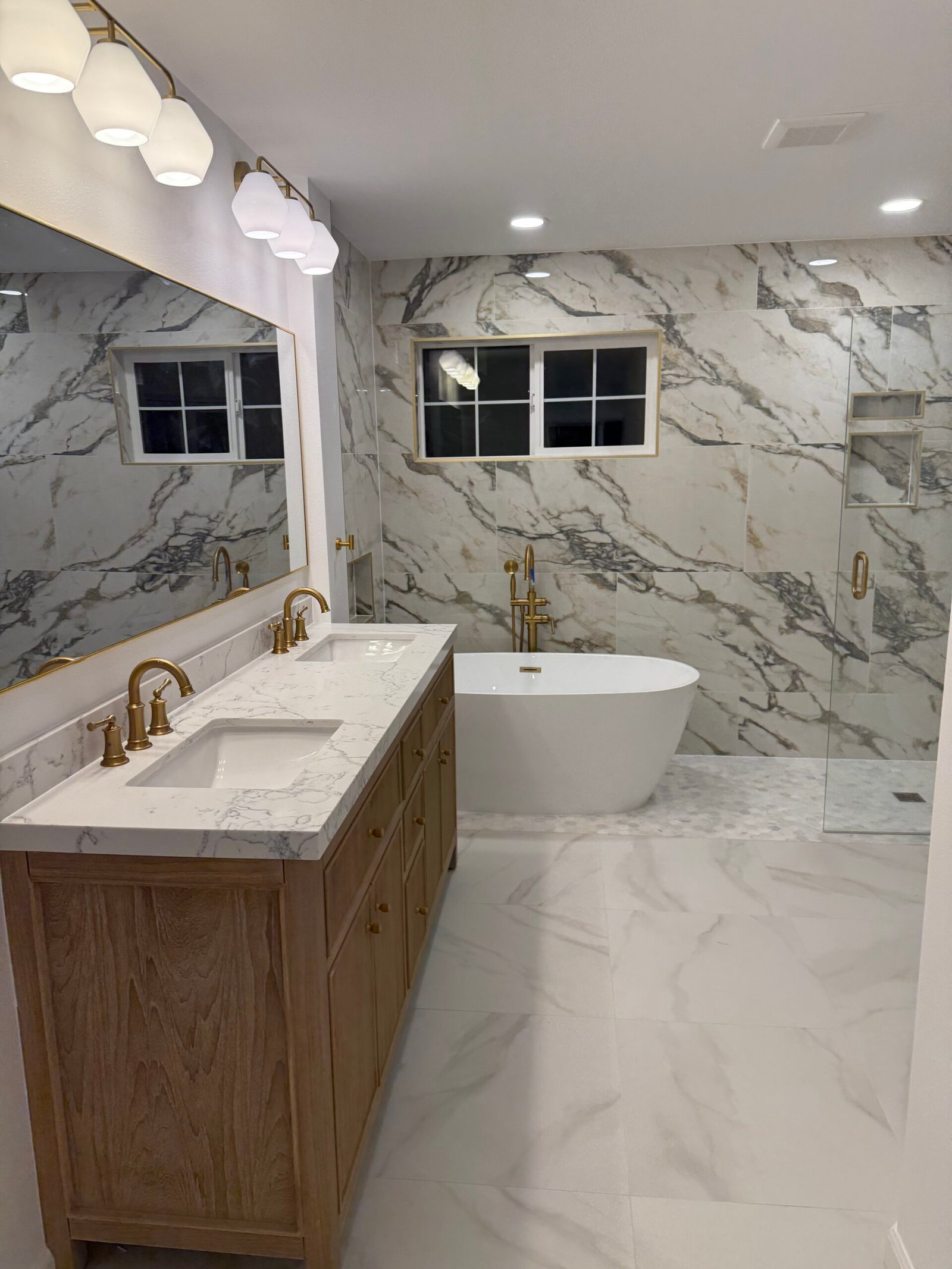
A luxury remodel is a complete redesign. You’re starting with a vision, and the existing bathroom is just the starting point. Walls may move. Plumbing gets rerouted. Every surface, fixture, and detail is selected for both aesthetics and performance.

What’s typically included:

  • Custom cabinetry and double vanity with premium countertops
  • Freestanding soaking tub or large walk-in shower with frameless glass
  • Heated flooring (radiant heat system)
  • High-end tile work (large-format porcelain, marble, or designer mosaics)
  • Layout changes and plumbing relocation
  • Smart home features (digital shower controls, heated towel racks, automatic lighting)
  • Built-in storage niches and custom shelving
  • Premium fixtures from brands like Kohler, Moen, or Brizo

Projects at this level often involve architects or interior designers working alongside your remodeling contractor to ensure every detail aligns with the overall design concept.

Cost Breakdown by Component: Where Your Money Actually Goes

Understanding how much a bathroom remodel costs requires looking at the individual pieces. Here’s a detailed breakdown of the major cost categories, so you can see exactly where your dollars are going.

Labor Costs

Labor is the single largest expense in most bathroom remodels, typically accounting for 40% to 60% of the total project cost. In Seattle, skilled tradespeople, including plumbers, electricians, tile setters, and general contractors, command higher rates than the national average due to strong demand and the city’s cost of living.

Expect to pay between $65 and $150 per hour for licensed professionals, depending on the specialty. A general contractor typically charges 15% to 25% of the total project cost for project management and coordination.

Materials

Materials make up roughly 25% to 35% of your budget. This category includes everything from tile and grout to drywall, lumber, waterproofing membranes, cement board, adhesives, and trim. The quality and brand you choose have a direct impact on the final number.

Fixtures and Features

Fixtures are where personal preference meets budget reality. A builder-grade toilet runs $150 to $300, while a high-efficiency or wall-mounted model can cost $500 to $1,500. The same range applies to vanities, showerheads, faucets, and bathtubs.

Permits and Inspections

Seattle requires permits for any work involving plumbing, electrical, or structural changes. Permit fees typically range from $200 to $1,000 depending on the scope of work. Cosmetic-only updates (under $6,000 in value) may not require permits, but it’s always worth checking with the Seattle Department of Construction and Inspections (SDCI) to be safe.

Detailed Cost Breakdown Table

Component Cost Range Notes
Labor (all trades) $4,000 – $30,000 40%–60% of total budget; varies with project complexity
Tile & Flooring $1,500 – $8,000 Ceramic ($2–$8/sq ft) vs. natural stone ($10–$30/sq ft)
Vanity & Countertop $500 – $5,000 Stock vanity vs. custom cabinetry with quartz top
Toilet $150 – $1,500 Standard two-piece vs. wall-mounted or smart toilet
Shower/Tub $800 – $8,000 Prefab insert vs. custom tile shower with frameless glass
Plumbing $1,000 – $5,000 Higher if relocating pipes or upgrading old galvanized lines
Electrical $500 – $3,000 GFCI outlets, new lighting circuits, exhaust fan wiring
Faucets & Fixtures $200 – $2,500 Builder-grade vs. premium brands (Kohler, Moen, Delta)
Permits & Inspections $200 – $1,000 Required for plumbing, electrical, and structural work
Paint & Finishing $200 – $800 Moisture-resistant paint recommended for PNW bathrooms
Ventilation $150 – $600 Upgraded exhaust fan; critical for Seattle’s humid climate
Miscellaneous $300 – $1,500 Mirrors, towel bars, toilet paper holders, accessories

Tip: Always set aside 10% to 15% of your total budget as a contingency fund. Unexpected issues, especially in older Seattle homes, are more common than most homeowners expect.

Factors That Affect Bathroom Renovation Cost in Seattle Specifically

Seattle isn’t like other cities. The local housing stock, climate, regulatory environment, and labor market all shape what your bathroom renovation cost looks like compared to national averages. Here are the factors that make Seattle unique.

Permit Requirements and Approval Timelines

Seattle’s permitting process through the SDCI is thorough, which is good for safety but adds both time and cost to your project. Permits for plumbing and electrical work are required by code, and the review process can take anywhere from a few days for simple permits to several weeks for more complex projects.

Your contractor should handle the permit applications, but you’ll want to factor in the timeline. Delays in permit approvals can push your project start date back, and if your contractor’s schedule shifts as a result, that can affect pricing. Planning your remodel well in advance gives you the best chance of staying on track.

Older Homes and Hidden Surprises

A huge portion of Seattle’s housing stock dates back to the early-to-mid 1900s. Homes built in the 1920s through 1960s often have galvanized steel plumbing, outdated electrical wiring (sometimes even knob-and-tube), and structural quirks that weren’t built to modern code.

Once your contractor opens up walls during demolition, these hidden issues can surface fast. Replacing galvanized pipes with copper or PEX typically adds $1,500 to $4,000 to a project. Electrical upgrades to bring everything up to current code can add another $1,000 to $3,000. It’s not a matter of if you’ll find something unexpected in an older Seattle home; it’s a matter of what and how much.

Moisture and Waterproofing in the Pacific Northwest

Seattle gets an average of 152 rainy days per year. That persistent moisture, combined with the humidity generated inside a bathroom, creates conditions that demand serious waterproofing. Skimping here is how you end up with mold behind walls two years after your remodel.

Proper waterproofing for a Seattle bathroom includes:

  • Cement board (not drywall) behind all tile surfaces
  • Liquid or sheet waterproofing membrane in shower and tub areas
  • A high-CFM exhaust fan vented directly to the outside (not into the attic)
  • Moisture-resistant paint on all non-tiled surfaces
  • Proper slope and drainage in shower pans

These aren’t optional extras in our climate. They’re baseline requirements for a bathroom that will hold up over time. Expect waterproofing measures to add $500 to $2,000 to your project, depending on the bathroom’s size and the extent of tile work.

Labor Costs in the Seattle Market

Seattle’s construction labor market is competitive. The region’s strong economy, ongoing residential development, and high cost of living all contribute to labor rates that run 15% to 25% above the national average. Experienced plumbers, electricians, and tile installers are in consistent demand, and the best ones book out weeks or months in advance.

This is one reason planning early matters. Booking your remodel during slower months (late fall or winter) can sometimes give you more scheduling flexibility and potentially better pricing, since spring and summer are peak season for home renovations across the Puget Sound region.

How to Save Money on Your Bathroom Remodel

A tight bathroom remodel budget doesn’t mean you have to settle for a mediocre result. Some of the smartest remodels we’ve seen come from homeowners who knew where to spend and where to save. Here are the most effective strategies.

Keep the Existing Layout

Moving a toilet, shower, or vanity to a different wall means moving plumbing. Moving plumbing means opening floors and walls, rerouting drain lines and supply pipes, and sometimes modifying the home’s main stack. That work alone can add $3,000 to $7,000 or more to your project.

If your current layout works reasonably well, keep it. You can transform the look and feel of a bathroom completely without changing where things sit. New tile, a modern vanity, updated fixtures, and better lighting will make it feel like a different room.

Choose Cost-Effective Materials That Still Look Great

You don’t need marble to get a high-end look. Porcelain tile that mimics the appearance of Carrara marble costs a fraction of the real thing and actually performs better in wet environments (natural stone is porous and needs regular sealing).

Other smart material swaps:

  • Luxury vinyl plank (LVP) instead of natural stone for flooring: waterproof, warm underfoot, and costs $3 to $7 per square foot installed
  • Quartz countertops instead of natural marble: more durable, no sealing required, and widely available in patterns that mimic stone
  • Stock vanities from quality manufacturers instead of full-custom cabinetry: you can find well-built options for $400 to $1,200 that look far more expensive than they are
  • Large-format tiles to reduce grout lines and cut down on installation labor

Prioritize High-Impact Upgrades

If your budget is limited, focus your money on the elements that make the biggest visual and functional difference:

  • Tile work (shower walls and floor): this is the first thing people notice
  • Vanity and mirror: these anchor the room visually
  • Lighting: good lighting makes everything else look better
  • Fixtures: a quality showerhead and faucet set adds daily enjoyment

Items like towel bars, toilet paper holders, and cabinet hardware can be upgraded later without any construction work. Don’t let accessories eat into your budget for the things that matter most.

Plan Ahead and Avoid Change Orders

Change orders are budget killers. Every time you change your mind mid-project, whether it’s switching to a different tile, adding a niche you didn’t originally plan, or upgrading a fixture after the plumbing is roughed in, it costs more than it would have if you’d decided upfront.

Spend extra time in the planning phase. Visit showrooms. Look at samples in your actual bathroom lighting. Finalize every material selection before demolition begins. A thorough planning process with your remodeling team is one of the best investments you can make.

Across the metro, permitting and typical cost bands can vary by city. If you’re planning work on the Eastside, review local expectations for bathroom renovation in Bellevue, WA alongside your Seattle bid so you’re comparing apples to apples.

ROI of Bathroom Remodeling: Does It Increase Your Home's Value?

Short answer: yes, almost always. Bathroom remodels consistently rank among the top home improvement projects for return on investment. But the amount of return depends on what you spend and how it compares to comparable homes in your area.

National ROI Data

According to the 2024 Remodeling Cost vs. Value Report (the most widely cited source in the industry), a mid-range bathroom remodel recoups approximately 66% to 74% of its cost at resale. A minor or cosmetic update can return even more on a percentage basis because the investment is smaller while the visual impact is still significant.

Seattle-Specific Market Context

Seattle’s housing market adds extra weight to these numbers. As of early 2025, the median home price in Seattle hovers around $850,000. Buyers at that price point expect updated bathrooms. A home with an outdated, dingy bathroom will either sell for less or sit on the market longer than comparable homes with modern finishes.

Here’s how the math works for a typical Seattle mid-range remodel:

  • Remodel cost: $22,000
  • Estimated value added: $15,000 to $17,000
  • Effective ROI: 68% to 77%

But ROI isn’t just about resale. If you’re staying in your home for the next 5 to 10 years, the daily comfort, improved functionality, and enjoyment you get from a well-designed bathroom have real value that doesn’t show up on a spreadsheet.

When Bathroom Remodeling Adds the Most Value

Your remodel will generate the highest ROI when:

  • Your current bathroom is noticeably outdated compared to the rest of the home
  • The upgrades bring your home in line with neighborhood standards (don’t over-improve for the area)
  • You focus on quality, timeless finishes rather than trendy designs that may look dated in five years
  • The work is done by licensed professionals with proper permits (buyers and inspectors check for this)

If you’re also considering other updates, a kitchen remodel paired with a bathroom renovation is one of the most powerful combinations for increasing your home’s overall market appeal.

Frequently Asked Questions About Bathroom Remodeling Costs in Seattle

How much does a bathroom remodel cost in Seattle?

In Seattle, a basic bathroom remodel typically costs between $8,000 and $15,000. A mid-range remodel with upgraded fixtures and tile work runs $15,000 to $30,000. Luxury or full-scale redesigns with premium materials and layout changes range from $30,000 to $60,000 or more. The final cost depends on the size of the bathroom, material choices, and the extent of plumbing and electrical work involved.

What is the most expensive part of a bathroom remodel?

Labor is the most expensive component in most bathroom remodels, accounting for 40% to 60% of the total cost. Within the materials and fixtures category, tile work (especially custom shower surrounds) and cabinetry or vanity upgrades tend to carry the highest price tags. Plumbing relocation, if needed, is another major cost driver.

Can I remodel a bathroom on a budget?

Yes. The most effective ways to save are keeping the existing plumbing layout in place, choosing porcelain tile instead of natural stone, selecting a quality stock vanity instead of custom cabinetry, and finalizing all material choices before construction begins to avoid costly change orders. A well-planned budget remodel in the $8,000 to $15,000 range can still produce a dramatic visual transformation.

How long does a bathroom remodel take?

A basic cosmetic update can be completed in 1 to 2 weeks. A mid-range remodel with tile work and fixture upgrades typically takes 2 to 4 weeks. Complex projects involving layout changes, plumbing relocation, or structural modifications can take 6 to 8 weeks or longer. Permit approval times in Seattle can add additional days to the overall timeline.

Is a bathroom remodel worth the investment?

For most Seattle homeowners, yes. A mid-range bathroom remodel typically recoups 66% to 77% of its cost at resale, and updated bathrooms are consistently cited by real estate agents as one of the top features buyers look for. Beyond resale value, you also benefit from improved daily comfort, better energy efficiency with modern fixtures, and reduced maintenance from replacing aging plumbing and surfaces.

Do I need a permit for a bathroom remodel in Seattle?

If your remodel involves any plumbing changes, electrical work, or structural modifications, yes, a permit from the Seattle Department of Construction and Inspections (SDCI) is required. Purely cosmetic updates like painting, replacing a vanity, or swapping out accessories generally don’t require permits. Your contractor should handle the permit process as part of the project.

What’s the best time of year to remodel a bathroom in Seattle?

Late fall and winter (October through February) tend to be the best times for scheduling a bathroom remodel in Seattle. Contractor availability is typically higher during these off-peak months, which can mean shorter lead times and potentially better pricing. Since bathroom remodeling is interior work, the rainy season doesn’t affect the construction itself.

Ready to Plan Your Seattle Bathroom Remodel?

Now that you have a clear picture of what bathroom remodeling costs in Seattle for 2026, the next step is getting a personalized estimate based on your specific bathroom, your goals, and your budget. Every project is different, and a detailed in-home consultation is the fastest way to get an accurate number.

At Sea Renovation, we’ve helped hundreds of Seattle homeowners transform their bathrooms, from simple refreshes to complete luxury redesigns. Our team provides transparent pricing, handles all permits, and uses moisture-resistant materials and techniques built for the Pacific Northwest climate.

Request your free estimate today and let’s turn your bathroom ideas into a real plan with real numbers.

Article details:

Share: