
fbpx

General Construction in Hewitt Addition, WA

Your Home Deserves Better Than Shortcuts

Licensed general contractor delivering quality bathrooms, kitchens, and decks that actually last in Hewitt Addition.

A man wearing a yellow hard hat and safety glasses is focused on a construction project. He leans over a work surface, reviewing plans or adjusting materials with precision. The background shows construction tools and equipment, emphasizing a professional job site environment.

Hear from Our Customers

A group of people gathered around a large table covered with construction blueprints and planning documents. Some are pointing to details on the plans while others take notes, suggesting a collaborative design or project meeting. Safety helmets and measuring tools are placed nearby, highlighting the construction context.

Licensed Building Contractor Services

What Your Project Really Needs

You’re not looking for the cheapest bid. You want your bathroom renovation done right the first time, your kitchen to function the way you actually live, and your deck built to handle Seattle weather for years.

That’s exactly what happens when you work with a licensed general contractor who understands the difference between doing a job and doing it right. Your project gets the attention it deserves, with proper permits, quality materials, and craftsmanship that stands up over time.

No surprises, no shortcuts, no excuses. Just the home improvements you’ve been planning, executed by someone who takes responsibility for the results.

Residential Construction Hewitt Addition

We Do What We Say

Sea Renovation has been serving the Seattle area since 2023, focusing on what matters most in residential construction: showing up, doing quality work, and standing behind every project.

We are fully licensed, bonded, and insured because that’s not optional when you’re working on someone’s home. We specialize in bathrooms, kitchens, and decking – the spaces where poor workmanship shows up fast and costs you more later.

Military and first responders get special pricing because some things matter more than profit margins.

Two construction workers wearing hard hats and reflective safety vests stand in front of a partially completed building. One holds a set of blueprints while the other gestures toward the structure, as if discussing project details. The background shows scaffolding and construction materials, emphasizing the active worksite.

Renovation Contractor Process

Here's How Your Project Actually Happens

First, you get a real consultation where someone listens to what you want and explains what’s actually possible within your budget and timeline. No sales pitch, just straight answers about your project.

Next comes a detailed estimate that breaks down materials, labor, and timeline so you know exactly what you’re paying for. Once you approve, the proper permits get pulled and materials get ordered – no rushing into work that isn’t planned properly.

During construction, you get regular updates on progress and any issues that come up. The job site stays as clean as possible because it’s still your home. When everything’s complete, you get a final walkthrough and warranty information so you know exactly what’s covered.

A group of construction workers in hard hats and safety vests are actively working on a building site. Some workers are handling tools and equipment, while others are guiding materials into place. The site features scaffolding, steel beams, and partially constructed structures under bright daylight.

Ready to get started?

Explore More Services

About Sea Renovation Inc

Get a Free Consultation

General Contractor Hewitt Addition

What's Actually Included In Your Project

Every general construction project includes proper permitting, quality materials sourced from reliable suppliers, and workmanship that meets or exceeds local building codes. You get a clean job site maintained throughout the project and regular communication about progress and any changes.

The work comes with a solid warranty because quality contractors stand behind what they build. All debris gets hauled away and the space gets cleaned up so you can actually use it when the project’s done.

Seattle’s weather and building requirements mean your contractor needs to understand local codes, proper waterproofing, and materials that perform well in this climate. That knowledge is built into every project from planning through completion.
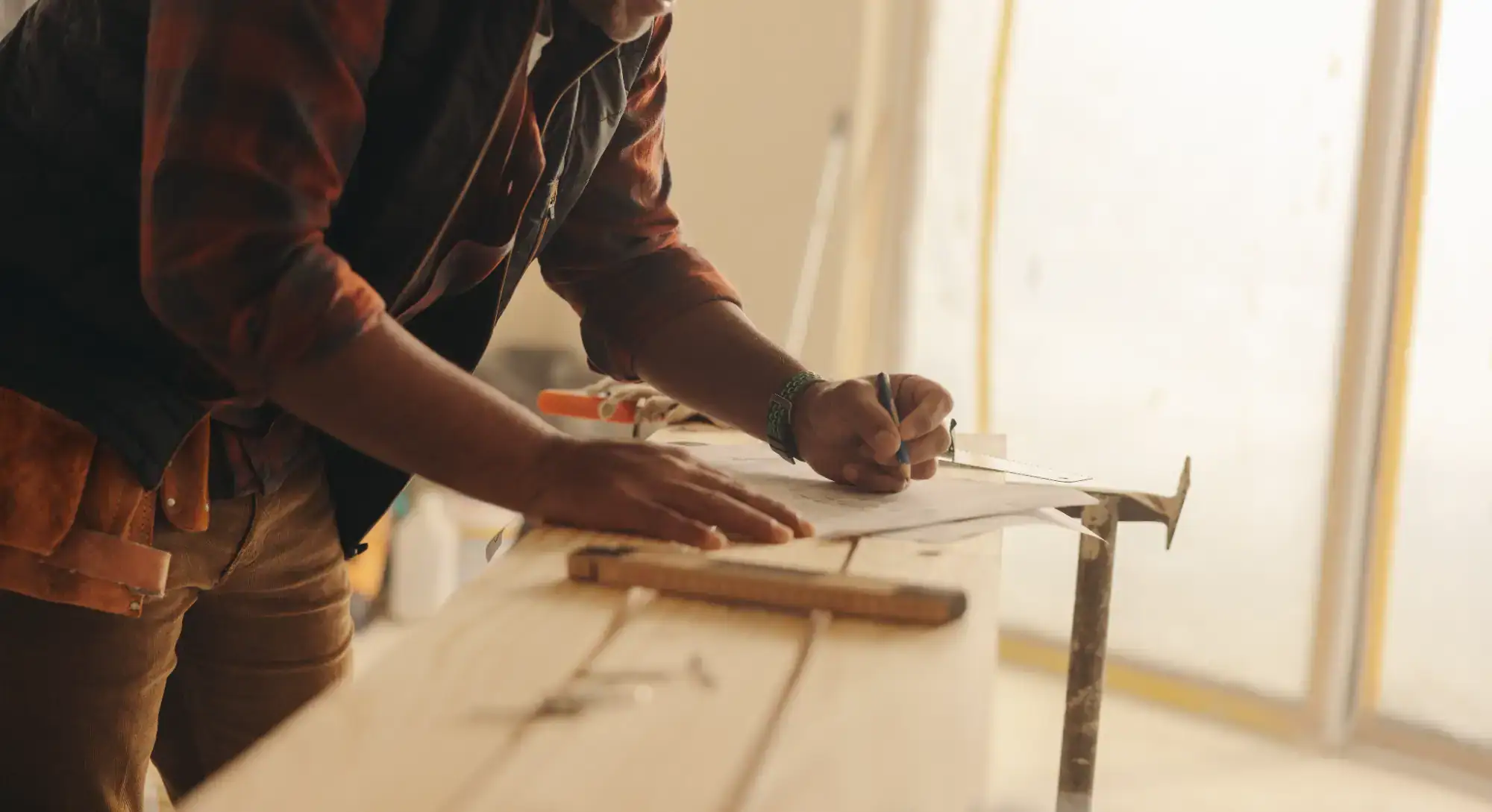
A man is focused on woodworking at a table, shaping or measuring a piece of wood. Tools are spread across the work surface, suggesting a carpentry or DIY project. He leans slightly forward, carefully working with the material in a well-lit space.

How do I know if a general contractor is properly licensed in Washington?

Check the Washington State Department of Labor and Industries website using the contractor’s license number. A legitimate general contractor will provide their license number upfront and you can verify it’s current and in good standing. Licensed contractors have met state requirements for experience, passed exams, and carry required insurance. If someone won’t provide their license number or tells you licensing isn’t necessary, walk away. Washington requires licensing for most construction work, and working with unlicensed contractors can leave you liable for injuries, poor work, and code violations.
General contractors can handle larger projects that require permits, structural work, and coordination of multiple trades like plumbing and electrical. They carry comprehensive insurance and bonding that protects you if something goes wrong. Handymen typically handle smaller repairs and improvements that don’t require permits. For bathroom renovations, kitchen remodels, or deck construction, you need a licensed general contractor who can pull permits, ensure code compliance, and coordinate inspections. The licensing and insurance requirements exist because these projects involve your home’s safety and value – not areas where you want to cut corners.
Bathroom renovations usually take 2-3 weeks for a full remodel, while kitchen projects typically run 4-6 weeks depending on the scope. Seattle’s permit process can add time upfront, but proper permitting protects your investment and ensures code compliance. Weather can affect timeline if exterior work is involved. The key is working with a contractor who builds realistic timelines into their estimates rather than promising unrealistic completion dates. Quality work takes time, and rushing leads to mistakes that cost more to fix later. A good contractor will give you a realistic timeline and keep you updated if anything changes during the project.
Yes, getting 2-3 bids helps you understand fair pricing and different approaches to your project. But don’t just compare bottom-line numbers – look at what’s included, materials specified, timeline, and warranty offered. The lowest bid often means corners will be cut somewhere, whether on materials, labor, or proper procedures. Ask each contractor about their licensing, insurance, and how they handle permits and inspections. A detailed bid that explains the work process and materials is usually more reliable than a quick estimate scribbled on paper. Remember, you’re not buying a commodity – you’re investing in craftsmanship that affects your home’s value and your daily life.
Most kitchen and bathroom renovations in Seattle require permits, especially if you’re moving plumbing, electrical, or walls. Permit requirements depend on the scope of work – replacing fixtures might not need permits, but relocating a bathroom or adding electrical circuits definitely will. Your general contractor should handle permit applications and know what’s required for your specific project. Permits ensure work meets safety codes and protect your home’s value when you sell. Skipping permits to save money or time usually backfires during home sales or if problems arise later. Working with a licensed contractor who handles permitting properly is worth the investment.
Clear the work area completely and remove or protect nearby furniture and belongings from dust and debris. Plan alternative arrangements if you’re renovating your only bathroom or kitchen – projects always take longer than you hope. Discuss access needs with your contractor, including parking, material delivery, and which entrances they’ll use. Set up temporary storage for items you’ll need during construction. Communicate with neighbors about noise and activity, especially in close-quarters neighborhoods. A good contractor will walk through preparation steps with you and help minimize disruption to your daily routine. The more you prepare upfront, the smoother the project runs for everyone involved.