Summary:
When your Seattle home was built, kitchens were treated as necessary utility rooms rather than the gathering spaces they are today. Most Craftsman kitchens were designed around a single cook preparing simple meals, not families who want to cook together or entertain guests.
The typical layout problems include front doors opening directly into living spaces and side entrances leading straight into the kitchen, creating awkward traffic patterns. Add in low-hanging lights and cabinets that crowd countertop areas, and you’ve got a recipe for frustration.
The original closed-off design also cuts these spaces off from natural light and the rest of the home, making them feel even smaller than they actually are.
A cramped, poorly designed kitchen doesn’t just frustrate you daily—it actually costs you money. In Seattle’s competitive market, homes with updated kitchens stand out to potential buyers, especially in neighborhoods like Ballard, Queen Anne, or Capitol Hill.
The kitchen often serves as a dealmaker or breaker for homebuyers, and homes with updated kitchens typically receive higher offers. When your kitchen feels cramped and outdated, you’re leaving money on the table every day you wait to address it.
But the real cost goes beyond resale value. Poor organization leads to cluttered countertops and makes it difficult to access appliances throughout the kitchen. You end up wasting time searching for tools, bumping into each other during meal prep, and avoiding cooking altogether because the space feels so dysfunctional.
A kitchen remodel is one of the wisest investments you can make in your family’s daily happiness and your home’s resale value. The question isn’t whether to renovate—it’s how to do it right without losing what makes your Craftsman special.
Renovating a historic home to create more functional space while maintaining original charm can be challenging, especially for homes over 100 years old. But we understand Craftsman homes and know these houses have several built-in advantages that make them perfect candidates for smart renovations.
The typical Craftsman’s open floor plan concept—even in its original form—means walls can often be removed or reconfigured without major structural work. Many successful renovations involve removing fireplaces and opening kitchens to living rooms to create better flow.
The key is retaining original architectural elements like box beams and millwork while updating the layout for modern functionality. Your home’s solid construction and quality materials provide an excellent foundation for renovation that many newer homes simply don’t have.
The challenge lies in working within the existing footprint while dramatically improving functionality. Many homeowners want more space but don’t necessarily need a massive addition—just better use of what they have. That’s where smart layout design makes all the difference.
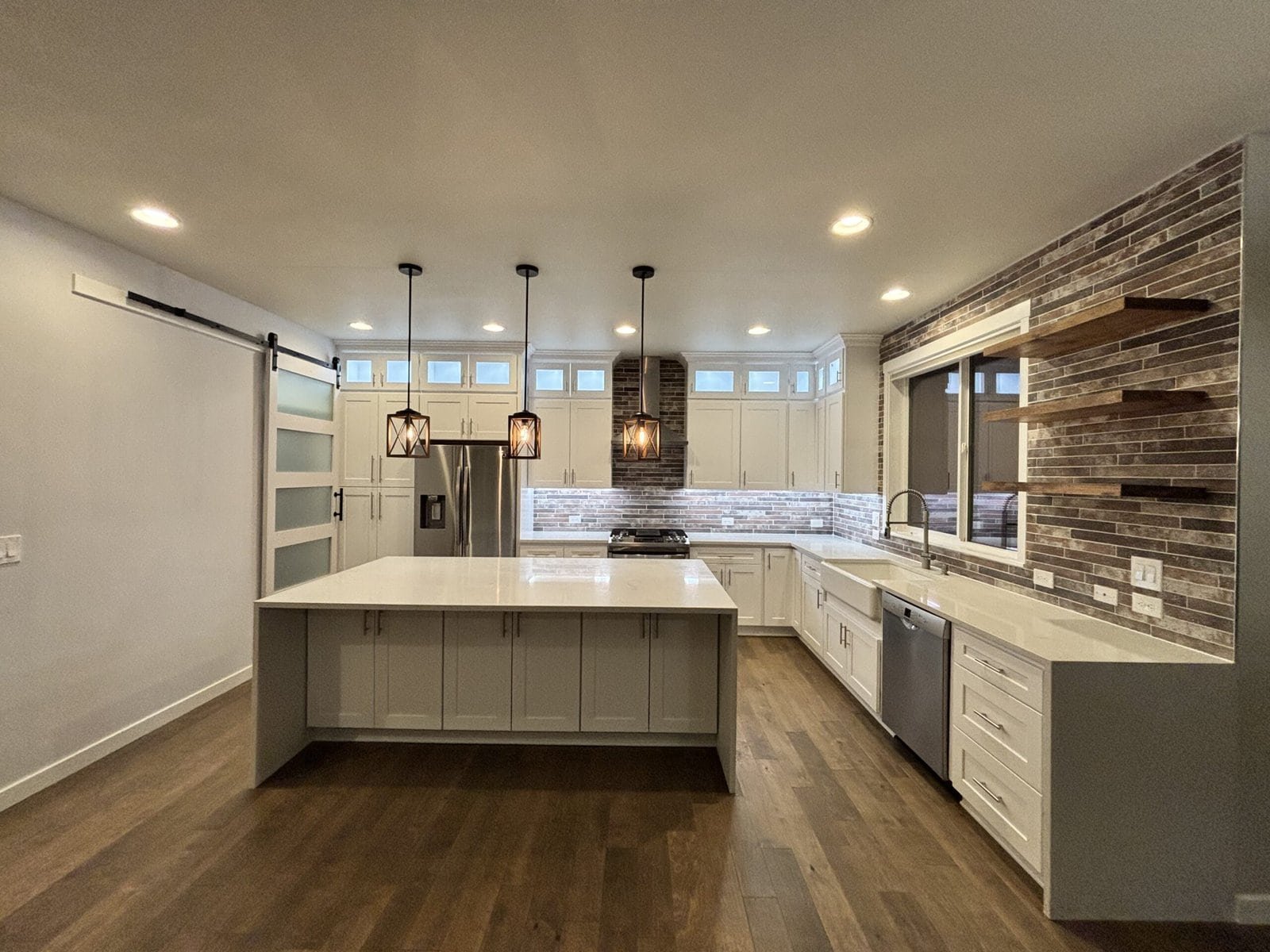
The most successful small kitchen renovations don’t just rearrange existing elements—they completely rethink how the space functions. Smart planning starts with considering L-shaped, galley, or U-shaped designs that work well in small footprints.
The kitchen work triangle—positioning your sink, refrigerator, and stove to form a loose triangle—creates practical and comfortable working areas. In small spaces, this becomes even more critical because every step counts when you’re preparing meals or cleaning up.
In smaller spaces, a galley kitchen keeps everything within easy reach and makes the most of available room, while the right layout makes cooking and living more comfortable and enjoyable. The key is choosing the layout that works with your home’s existing structure, not against it.
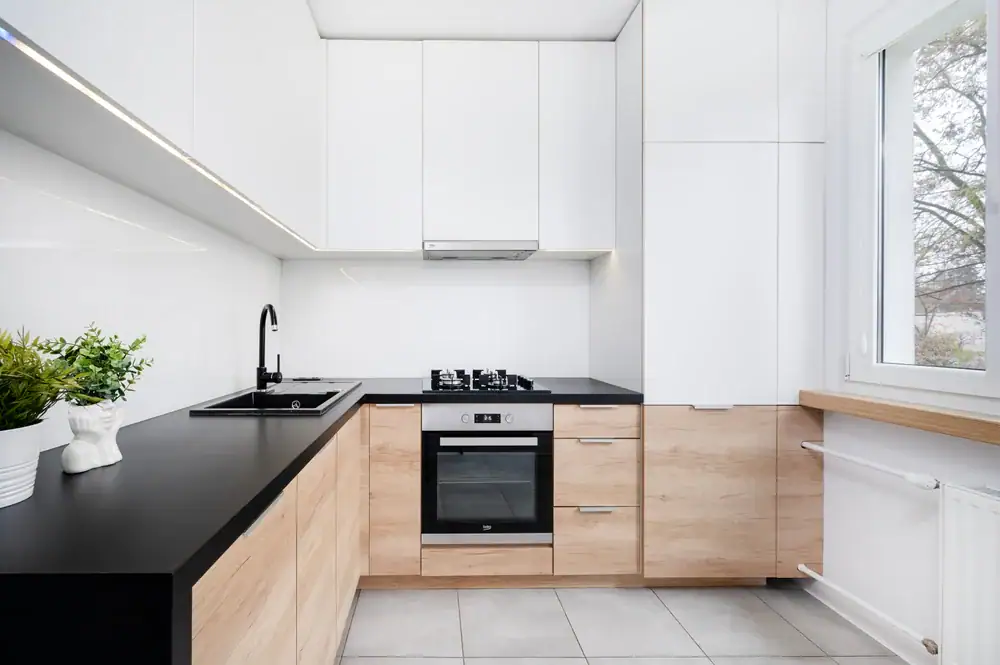
L-shaped kitchens run along two adjoining walls, making the most of corner space while freeing up the center of the room for open-concept living. This layout works particularly well in Craftsman homes because it respects the original room proportions while dramatically improving functionality.
The corner becomes your power zone instead of wasted space. With creativity, corner cabinets can enhance storage through fold-out shelves, sliding devices, lazy Susans, or angled drawer cabinets that optimize every inch. Instead of that awkward corner where things get lost forever, you get highly functional storage that’s actually accessible.
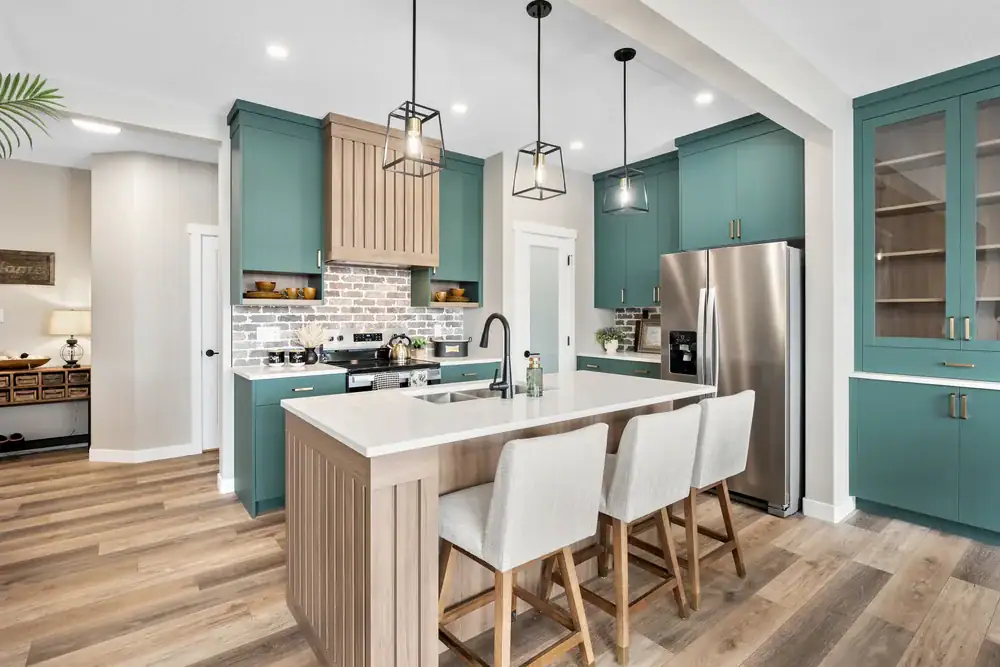
The corner of the L can be optimized with pull-out shelves to prevent space wastage, and larger kitchens can incorporate an island to further enhance both functionality and aesthetics. Even in smaller Craftsman kitchens, a rolling cart or narrow island can provide extra prep space without overwhelming the room.
This layout also allows you to maintain sight lines to other rooms, which is crucial in homes where the kitchen connects to dining and living areas. You can cook while staying connected to family activities, making the space feel larger and more integrated with your daily life. It’s the difference between feeling isolated while cooking and being part of the conversation.
Galley kitchens feature two parallel counters with a walkway between, ideal for narrow spaces while offering efficiency and storage options on both sides. Many Craftsman homes naturally lend themselves to this layout, especially when working within existing room dimensions that can’t be easily expanded.
The key to successful galley design lies in the details that make or break the space. Light cabinetry, reflective backsplashes, and open shelving help maximize the sense of space. To make galley kitchens feel bigger, maximize natural light potential—if architecturally possible, maximizing window space at one end does wonders for the sense of space.
By situating cabinetry and appliances against opposite walls, full-height cabinets become a good option for taking advantage of wall real estate, and exposed cabinetry can be considered as another design element. This approach works especially well when you want to showcase beautiful dishware or add visual interest without cluttering countertops.
Double galley layouts typically feature cabinets on both sides with free space on either end, offering a convenient thoroughfare. In Craftsman homes, this often means you can create a natural flow from the front entrance through to outdoor spaces, solving the common problem of awkward traffic patterns that make small spaces feel even more cramped.
The galley layout also forces you to think vertically, which is where the real space gains happen. Extending cabinets to the ceiling makes ceilings feel higher and kitchens bigger, while investing in impactful details adds up visually. You’re not just getting more storage—you’re changing how the entire space feels.
The best kitchen layout isn’t just about maximizing space—it’s about creating a design that grows with your needs and maintains its functionality over time. The refreshed kitchen should be designed to gracefully evolve alongside the changing needs of its occupants, with well-made endurance put to the test daily.
A successful small kitchen design is space efficient and includes all the features that make a full-scale kitchen convenient: seamless workflow, modern appliances, ample storage, and layered lighting. When you get these elements right, your small kitchen won’t feel like a compromise—it’ll feel like the heart of your home.
The smartest approach combines respect for your Craftsman’s original character with modern functionality that actually improves your daily life. Focus on classic elements that will age over time rather than trendy choices, giving you something you’ll love forever. When you’re ready to transform your cramped kitchen into a space that truly works for your family, we can help you navigate the complexities of kitchen remodeling while preserving what makes your Craftsman home special.
Article details:
Share:
Continue learning:
Sea Renovation Is A General Construction And Remodeling Company Who Specialize In A Wide Range Of Remodels, Interior And Exterior.
Copyright © 2024 All rights reserved. Sea Renovation