
Summary:
Seattle’s wet, moss-friendly environment significantly impacts how long your roof will last. While manufacturers provide national averages, our local conditions tell a different story.
The constant moisture, limited sunshine, and persistent dampness create the perfect storm for accelerated wear. Your roof faces challenges that homeowners in drier climates simply don’t encounter.
Here’s what you can realistically expect from different materials when they’re properly installed and maintained in our area.
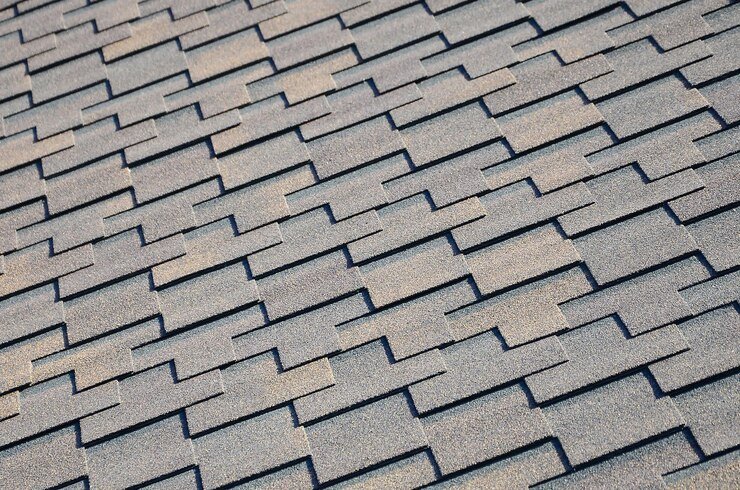
Asphalt shingles remain the most popular choice for Seattle homeowners, and for good reason. They’re affordable, versatile, and readily available in styles that complement our local architecture.
However, Seattle’s climate is tough on asphalt. The constant moisture accelerates granule loss, while our frequent freeze-thaw cycles cause expansion and contraction that leads to cracking. Moss growth is almost inevitable on north-facing slopes or areas with limited sun exposure.
Most asphalt roofs in our area need replacement between 15-20 years, compared to the 20-30 year national average. The quality of installation makes a huge difference—properly installed shingles with adequate ventilation can reach the upper end of this range.
Watch for warning signs like curling edges, missing granules in your gutters, or visible moss growth. These indicate your roof is entering its final years. Some newer asphalt shingles include moss-resistant treatments that can extend their lifespan in our climate.
The key is regular maintenance and prompt attention to small issues. A roof that’s cleaned and inspected annually will consistently outlast one that’s neglected, sometimes by several years.
Metal roofing excels in Seattle’s challenging climate. Its smooth surface sheds water efficiently and resists moss adhesion, addressing two of our biggest local challenges.
Standing seam metal systems, when properly installed, can last 50+ years with minimal maintenance. The material’s durability against wind, rain, and temperature fluctuations makes it particularly well-suited for our Pacific Northwest conditions.
Metal roofs also offer energy benefits that matter in our climate. Reflective surfaces can reduce attic temperatures by up to 15 degrees during our occasional heat waves, while the material’s thermal properties help with winter heat retention.
The higher upfront investment—typically $15,000-$25,000 more than asphalt—pays dividends over time. When you factor in the extended lifespan and reduced maintenance needs, metal often provides better long-term value.
Cedar shakes fall somewhere in between, typically lasting 20-30 years with proper maintenance. They’re naturally resistant to our climate but require regular treatment and cleaning to prevent moss and rot. The Pacific Northwest’s abundant cedar supply keeps costs reasonable, but maintenance requirements are higher than other options.
Seattle roofs often show specific signs of wear that homeowners in drier climates rarely encounter. Recognizing these early indicators helps you plan replacement before emergency situations arise.
The challenge is that some damage happens gradually and isn’t immediately visible from ground level. Regular professional inspections catch problems before they become costly interior damage.
Here are the key warning signs that indicate your roof is approaching replacement time in our local climate.
Moss isn’t just a cosmetic issue in Seattle—it’s a clear indicator that your roof is retaining moisture and approaching the end of its useful life. The green, spongy growth acts like a sponge, holding water against your roofing materials and accelerating deterioration.
Once moss establishes itself, it creates a cycle of moisture retention that speeds up shingle damage and can lead to wood rot in the underlying structure. You’ll often see moss growth concentrated on north-facing slopes or areas shaded by trees.
While moss can be cleaned off, its presence indicates that your roof’s protective granules are wearing away and the material is becoming more porous. If moss keeps returning despite cleaning, or if you notice widespread coverage, replacement is likely more cost-effective than repeated treatments.
Look for other moisture-related signs like water stains on interior ceilings, musty odors in the attic, or visible rot around roof penetrations. These problems often start small but accelerate quickly in our damp climate.
The combination of moss growth with other age-related wear typically signals that your roof has entered its final 2-3 years of useful life. Planning replacement during this window prevents emergency situations and gives you time to budget properly.
Seattle’s windstorms and atmospheric rivers can reveal underlying weaknesses in aging roofs. What might seem like minor storm damage often indicates broader structural issues that warrant full replacement.
Missing or damaged shingles after a storm aren’t always isolated problems. They can signal that your roof’s overall integrity is compromised and unable to withstand normal weather events. If you’re replacing multiple sections after each storm season, full replacement is usually more economical.
Pay attention to granule accumulation in gutters, especially after storms. Excessive granule loss indicates that your shingles are breaking down and losing their protective coating. This process accelerates once it begins, making replacement the smart choice.
Sagging areas, visible from ground level, indicate potential structural problems that require immediate attention. This is particularly common in older homes where persistent moisture has affected the roof decking or support structure.
Interior signs like water stains, peeling paint near the roofline, or daylight visible through the roof boards all point to compromised integrity. These problems rarely improve with spot repairs and typically indicate that replacement is the most cost-effective solution.
The key is understanding that in Seattle’s climate, small problems compound quickly. What starts as minor storm damage can become major structural issues within a single wet season if not addressed properly.
Understanding realistic roof lifespans in Seattle’s climate helps you plan ahead and avoid emergency situations. Most homeowners benefit from starting the replacement conversation 2-3 years before their roof reaches end-of-life, giving time to budget and schedule during optimal weather windows.
Remember that our local conditions—persistent moisture, moss growth, and frequent storms—accelerate wear beyond national averages. A 15-year-old asphalt roof in Seattle has likely experienced more stress than a 20-year-old roof in drier climates.
The best approach is annual professional inspections that track your roof’s condition over time. This helps you spot trends and plan replacement timing around your budget and our seasonal weather patterns. When you’re ready to move forward, we at Sea Renovation bring the local expertise and quality craftsmanship needed to ensure your new roof performs well in our challenging Pacific Northwest climate.
Article details:
Share:
Continue learning:
Sea Renovation Is A General Construction And Remodeling Company Who Specialize In A Wide Range Of Remodels, Interior And Exterior.
Copyright © 2024 All rights reserved. Sea Renovation