
Summary:
Seattle’s weather creates unique challenges that eliminate many roofing options right from the start. The constant moisture exposure, temperature fluctuations, and limited direct sunlight create conditions where only certain materials thrive.
Your roof needs to handle prolonged wet periods without allowing water penetration. It must resist moss and algae growth that thrives in humid conditions. And it needs enough durability to withstand the occasional windstorm without losing shingles or developing leaks that lead to expensive interior damage.
The sheer volume of precipitation in Seattle eliminates roofing materials that work fine in drier climates. Standard asphalt shingles, for example, become porous over time and allow moisture to penetrate the underlying structure.
This constant moisture exposure accelerates deterioration and creates perfect conditions for moss growth. Materials that can’t shed water quickly or resist biological growth simply don’t last in the Pacific Northwest. You need materials specifically engineered for wet climates.
The best performing materials feature integrated water-shedding properties and moss-resistant additives. They’re designed with the understanding that your roof will be wet more often than dry, and they perform reliably under those conditions year after year.
Quality materials also handle the thermal cycling that occurs when wet roofs experience temperature changes. This expansion and contraction would crack or warp inferior materials, but properly engineered options maintain their integrity through countless wet-dry cycles.
Seattle’s occasional windstorms test your roof’s ability to stay attached to your home. While not as frequent as the rain, these events can cause catastrophic damage if your roofing material isn’t properly rated for wind resistance.
Modern building codes require specific wind ratings, but going beyond minimum requirements makes sense in areas prone to severe weather. Materials with higher wind resistance ratings provide better long-term security and often come with stronger warranty protection.
The installation method matters as much as the material itself. Proper fastening techniques and adequate overlap ensure that individual components work together as a complete weather barrier. Cutting corners on installation negates even the best materials.
Look for materials tested and rated for sustained winds above what building codes require. The small additional investment provides significant protection against storm damage that could require extensive repairs or complete replacement.
Three materials consistently outperform others in Seattle’s challenging climate: metal roofing, architectural composite shingles, and premium composite options. Each offers distinct advantages depending on your priorities, budget, and home style.
These materials have proven track records in Pacific Northwest conditions. They resist moisture penetration, handle temperature fluctuations, and provide long-term value through extended lifespans and reduced maintenance requirements.
Metal roofing excels in Seattle’s wet climate because water runs off immediately rather than soaking in. There’s no absorption, no gradual deterioration from moisture, and no opportunity for moss or algae to establish themselves on the surface.
Quality metal roofs come with 50-year material warranties and can last up to 70 years with proper installation. They handle windstorms exceptionally well, with interlocking panels that resist uplift and damage. The initial cost is higher than other options, but the longevity makes them cost-effective over time.
Modern metal roofing addresses the noise concerns that deterred previous generations. Proper insulation and underlayment reduce sound transmission to levels comparable with other materials. You’ll hear rain, but it won’t be disruptive.
Steel and aluminum options both perform well in Seattle, with aluminum offering superior corrosion resistance and steel providing maximum durability. Both materials are available in styles that complement traditional Pacific Northwest architecture while providing modern performance benefits.
Energy efficiency is another significant advantage. Metal roofs reflect heat rather than absorbing it, reducing cooling costs during Seattle’s occasional hot spells. Some homeowners see utility bill reductions that help offset the higher initial investment.
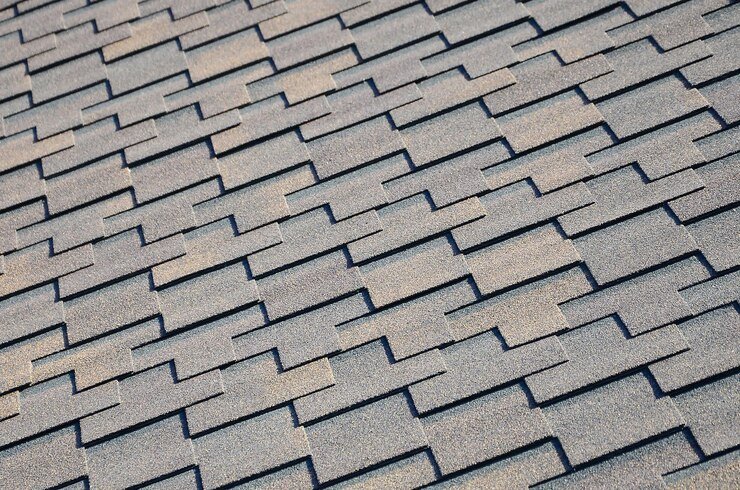
Architectural composite shingles offer the best balance of performance, cost, and appearance for most Seattle homeowners. They’re specifically engineered to handle wet climates while providing the traditional look many prefer.
These shingles feature algae and moss inhibitors that prevent the biological growth common in humid Pacific Northwest conditions. The multi-layer construction provides superior water resistance compared to basic three-tab shingles, and they’re designed to handle the thermal cycling that occurs in Seattle’s variable climate.
Most composite roofs in the Pacific Northwest last 17-22 years, with premium options extending to 30-50 years depending on material quality and maintenance. They’re significantly more affordable than metal while offering better longevity than basic asphalt options.
Installation is straightforward for qualified contractors, and replacement parts are readily available if individual shingles need attention. The familiar appearance blends well with Seattle’s diverse architectural styles, from Craftsman bungalows to modern designs.
Composite shingles also offer excellent wind resistance when properly installed. They’re tested to handle the windstorms Seattle occasionally experiences, and quality options come with strong warranty protection against both material defects and weather damage.
The best roofing material for your home depends on your budget, architectural style, and long-term plans. Metal offers maximum longevity and performance but requires higher upfront investment. Architectural composites provide proven performance at moderate cost with good longevity.
Consider the total cost of ownership, not just initial price. A material that lasts twice as long often provides better value even if it costs more initially. Factor in maintenance requirements, energy efficiency benefits, and warranty coverage when making your decision.
Work with contractors who understand Seattle’s specific requirements and have experience installing your chosen material in Pacific Northwest conditions. Proper installation is crucial for achieving the performance and longevity these materials are designed to provide. We specialize in helping Seattle homeowners choose and install roofing materials that perform reliably in our challenging climate.
Article details:
Share:
Continue learning:
Sea Renovation Is A General Construction And Remodeling Company Who Specialize In A Wide Range Of Remodels, Interior And Exterior.
Copyright © 2024 All rights reserved. Sea Renovation