
Your bathroom isn't just a functional space anymore. It's become a personal retreat where you start and end your day, a place that should reflect your style while meeting your daily needs. As we move into 2026, bathroom renovations in Seattle are embracing fresh design trends that prioritize wellness, sustainability, and smart technology.
Whether you're planning a complete bathroom remodel or targeted updates, understanding what's trending can help you create a space that feels current and will age gracefully. We've worked on countless bathroom projects across Seattle, and we're seeing homeowners move toward designs that feel spa-like, eco-conscious, and tailored to their unique lifestyles.
Here's what's shaping bathroom design in 2026 and how you can incorporate these ideas into your own space.
Spa-Inspired Retreats: Creating Your Daily Escape

Seattle homeowners are increasingly turning their bathrooms into sanctuary spaces that rival high-end spas. This isn't about adding unnecessary luxury—it's about creating a calming environment that supports your well-being during your daily routine.
What Makes a Spa-Like Bathroom
The foundation of spa-inspired design starts with natural materials. Think stone countertops, wood-look tile flooring, and textured wall treatments. These materials aren't just beautiful—they bring warmth and organic elements into a space that can otherwise feel cold and clinical.
Freestanding soaking tubs have moved from luxury item to practical investment. They create a focal point while offering genuine relaxation benefits. If your bathroom layout allows it, positioning a tub near a window (with appropriate privacy solutions) connects your bath time to Seattle's natural beauty.
Rainfall showerheads and body spray systems complete the spa experience. Many of our clients who invest in bathroom remodeling prioritize shower upgrades, creating multi-functional shower systems that replace outdated fixtures.
Bringing the Outdoors Inside
Natural light plays a crucial role in spa-like design. Skylights, larger windows with frosted glass, or sun tunnels can transform a dim bathroom into a bright, energizing space. For Seattle's rainy days, layered lighting with dimmers helps you adjust the mood from bright and functional to soft and relaxing.
Pro Tip: When planning your bathroom renovation, consider installing heated flooring. It's a game-changer on cold Seattle mornings and adds that resort-feel without taking up space.
Smart Bathrooms: Technology That Actually Makes Life Easier
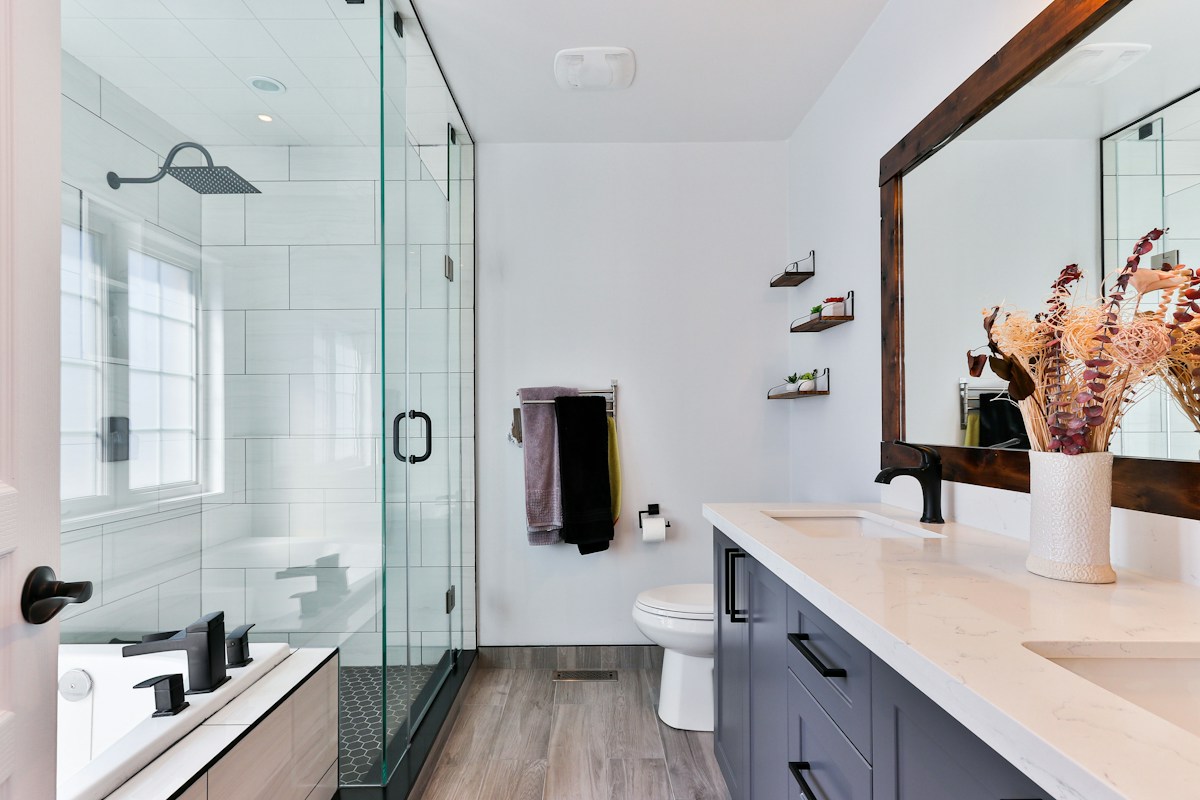
Technology in the bathroom has moved past gimmicks to genuinely useful features that improve your daily experience. Smart fixtures aren't about showing off—they're about comfort, efficiency, and reducing water waste, which matters both for Seattle's environmental goals and your utility bills.
Smart Features Worth Considering
Digital shower controls let you preset your ideal temperature and water flow. No more dancing around under cold water while waiting for it to heat up. You program your preferences once, then enjoy consistent comfort every time.
Touchless faucets reduce water waste and keep your bathroom cleaner. They're particularly practical for families with kids who forget to turn the water off completely.
Smart mirrors with built-in lighting, defogging capabilities, and even weather displays are becoming standard in modern bathroom updates. These aren't just gadgets—they solve real problems like foggy mirrors after showers and poor lighting for grooming.
Heated towel racks might seem indulgent, but they serve practical purposes: drying towels faster (preventing mildew in Seattle's humid climate) and warming them for after-shower comfort.
Water Efficiency Through Technology
Low-flow toilets and faucets have come a long way. Modern versions perform just as well as traditional fixtures while using significantly less water. Many Seattle homeowners incorporate these during their bathroom renovations to reduce environmental impact and lower water bills.
Bold Color Choices: Moving Beyond All-White Bathrooms

While white bathrooms remain classic, 2026 is seeing homeowners embrace color in thoughtful ways. This doesn't mean going overboard—it's about adding personality while maintaining a timeless foundation.
Trending Color Palettes
Deep, moody tones like navy, forest green, and charcoal create drama and sophistication. These work particularly well in powder rooms or as accent walls in larger bathrooms. They pair beautifully with brass or matte black fixtures for a cohesive, modern look.
Earthy neutrals—warm beiges, soft terracottas, and sage greens—bring calm, nature-inspired vibes that work well in Seattle's Pacific Northwest setting. These colors complement natural wood elements and stone materials.
Accent walls using patterned tile have become popular for adding visual interest without overwhelming the space. A statement wall behind the vanity or in the shower creates a focal point while keeping most of the bathroom neutral.
Practical Color Application
When working with our bathroom tile installation clients, we often recommend using color strategically. Bold floor tiles can ground the space, while keeping walls lighter maintains the feeling of openness—important in smaller Seattle bathrooms.
Colored grout has emerged as an unexpected design element. Instead of hiding grout lines, contrasting grout colors highlight beautiful tile patterns and add geometric interest.
Sustainable Materials: Good for Seattle, Good for Your Home

Seattle homeowners care about environmental impact, and bathroom renovations are no exception. Sustainable choices don't mean compromising on style or quality—in fact, many eco-friendly materials outperform traditional options.
Material Choices That Matter
Reclaimed wood for vanities and shelving brings character while reducing demand for new lumber. Each piece tells a story and adds unique texture that new materials can't replicate.
Recycled glass tiles offer stunning visual effects while diverting materials from landfills. They're particularly beautiful as backsplashes or accent walls, catching light in ways that standard tiles don't.
Low-VOC paints and sealants improve indoor air quality—important in bathrooms where ventilation can be limited. These products have advanced significantly and now perform just as well as traditional options.
Bamboo flooring provides water-resistant durability while being rapidly renewable. It works well in bathrooms when properly sealed and installed by experienced contractors.
Long-Term Sustainability
Part of sustainable design is choosing durable materials that won't need frequent replacement. Quality custom bathroom vanities built to last, proper waterproofing, and solid construction methods prevent the need for early renovations—the most sustainable choice is the one you don't have to redo in five years.
Wet Rooms and Curbless Showers: Accessibility Meets Modern Design

Wet rooms—bathrooms where the shower area is completely open without barriers—have gained popularity for combining sleek aesthetics with practical benefits. Curbless showers, a key element of wet room design, eliminate the step into the shower, creating a seamless, spa-like appearance.
Why Seattle Homeowners Love This Trend
Aging in place has become a priority for many homeowners. Curbless showers and grab bars installed during renovation make bathrooms safer and more accessible without looking institutional. These features benefit everyone, from young children to older adults.
The open design makes small bathrooms feel larger by removing visual barriers. This is particularly valuable in Seattle where many homes have compact bathrooms that feel cramped with traditional shower enclosures.
Proper drainage is critical for wet room success. Working with experienced bathroom remodeling contractors ensures the floor slopes correctly and waterproofing protects your home's structure—especially important in Seattle's climate.
Making Wet Rooms Work
Glass partitions can partially separate the shower area while maintaining the open feel. They contain spray without requiring a full enclosure.
Large-format tiles with minimal grout lines reduce cleaning time and create a more cohesive look. This works particularly well in wet room designs where the same tile flows throughout the space.
Statement Lighting: Functional Art for Your Bathroom

Lighting has evolved from purely functional to a design element that sets the mood and defines the space. 2026 bathroom designs use lighting as both utility and art.
Layered Lighting Approach
Task lighting around mirrors is essential for grooming and makeup application. LED strip lighting on mirror backs eliminates shadows while creating a floating effect.
Ambient lighting sets the overall mood. Recessed ceiling lights with dimmer switches let you adjust brightness from bright and energizing for morning routines to soft and calming for evening baths.
Accent lighting highlights architectural features or beautiful tile work. Small LED fixtures can emphasize niches, floating vanities, or textured walls.
Fixture Trends
Pendant lights over bathtubs or freestanding vanities add unexpected elegance. They work best in bathrooms with adequate ceiling height and proper moisture-resistant fixtures.
Matte black and brass finishes in light fixtures complement the overall trend toward warmer, more sophisticated bathroom designs. These finishes pair well with both modern and traditional styles.
Maximizing Storage Without Cluttering Your Space
Storage challenges plague most bathrooms, but 2026 designs address this through creative solutions that maintain clean lines and uncluttered surfaces.
Storage challenges plague most bathrooms, but 2025 designs address this through creative solutions that maintain clean lines and uncluttered surfaces.
Built-In Storage Solutions
Recessed medicine cabinets save space while providing essential storage. Modern versions come in larger sizes with interior lighting and outlet options.
Shower niches eliminate the need for hanging caddies. Multiple niches at different heights accommodate various bottle sizes and family members' needs.
Drawer systems in vanities offer better organization than traditional cabinets. Pull-out drawers let you access items at the back without digging through everything in front.
Floating Vanities
Wall-mounted custom vanities create visual space by exposing the floor beneath. This makes bathrooms feel larger while providing easy floor cleaning. The space underneath can accommodate baskets for towel storage or scale and step-stool storage.
Open shelving below sinks adds storage that feels less heavy than closed cabinets. Styled properly with matching containers and neatly rolled towels, it becomes a design feature rather than looking cluttered.
Mixed Metals and Finishes: Breaking Old Design Rules

The old rule of matching all bathroom fixtures is gone. Mixing metals and finishes adds depth and interest when done thoughtfully.
How to Mix Metals Successfully
Choose one dominant finish (like brushed nickel for faucets and showerheads) and introduce one or two accent finishes (brass cabinet hardware or matte black light fixtures). This creates cohesion while allowing variety.
Balance warm and cool tones throughout the space. If you use warm brass in one area, balance it with cooler chrome or nickel elsewhere.
Keep finish styles consistent—if you choose modern, angular fixtures in one metal, maintain that style in other metals rather than mixing modern and traditional forms.
Popular Finish Combinations
Matte black and brass create sophisticated, contemporary spaces. The contrast between dark and warm metals adds visual interest without feeling busy.
Brushed nickel and matte black offer a more subtle mixed-metal approach. Both have modern appeal and work well in transitional bathroom designs.
Chrome and brass mixing brings warmth to classic chrome without fully committing to a gold bathroom. This works particularly well in traditional or transitional styles.
Planning Your 2026 Bathroom Renovation in Seattle
Incorporating these trends starts with understanding which ones align with your lifestyle, budget, and long-term plans for your home. Not every trend will work for every bathroom, and that's perfectly fine.
Questions to Ask Before Starting
- How long do you plan to stay in your home? This affects whether you prioritize resale appeal or personal preferences.
- Who uses the bathroom? Family bathrooms need different features than master ensuite spaces.
- What problems need solving? Poor lighting, inadequate storage, outdated fixtures—identify pain points first.
- What's your realistic budget? Quality materials and proper installation matter more than cramming in every trend.
Working with Seattle Contractors
Seattle has specific building codes, permit requirements, and climate considerations that affect bathroom renovations. Working with local contractors who understand these factors prevents costly mistakes.
Proper ventilation is critical in Seattle's climate to prevent mold and moisture damage. Experienced contractors ensure adequate fan sizing and placement during renovation.
Water pressure issues common in older Seattle homes need addressing during fixture upgrades. A knowledgeable contractor can identify and solve these problems rather than installing beautiful new fixtures that don't perform well.
Ready to Start Your Bathroom Transformation?
At Sea Renovation, we've helped countless Seattle homeowners create bathrooms that blend the latest trends with practical functionality. Our experienced team handles everything from initial design consultation through final walkthrough, ensuring your bathroom renovation exceeds expectations.
Practical Tips for Executing Your Bathroom Renovation
Prioritize Quality Over Quantity
It's better to do fewer updates with quality materials than spread your budget thin trying to incorporate every trend. Focus on elements that will have the most significant impact on your daily use.
Plan for Proper Waterproofing
This is where you can't cut corners. Proper waterproofing, especially in shower areas and around tubs, prevents expensive water damage down the line. It's an investment that pays off through avoided repair costs.
Consider Future Maintenance
Beautiful materials that require constant upkeep might not fit your lifestyle. Be honest about the maintenance you're willing to do. Natural stone needs regular sealing, while porcelain tiles offer similar beauty with less maintenance.
Think About Resale, But Don't Obsess Over It
If you're staying in your home for many years, design for your enjoyment. Neutral foundations with personality in changeable elements (paint, accessories, towels) let you enjoy unique style while maintaining broad appeal if you eventually sell.
Budget for Unexpected Issues
Opening walls during renovation often reveals plumbing issues, electrical problems, or water damage that needs addressing. Set aside 10-20% of your budget for these discoveries rather than being caught off-guard.
Frequently Asked Questions About Bathroom Renovations
How long does a typical bathroom renovation take?
Most bathroom remodeling projects in Seattle take 2-4 weeks, depending on the scope of work. Simple updates like replacing fixtures and painting might take a week, while complete renovations with plumbing moves and custom tile work can extend to 4-6 weeks. Your contractor should provide a realistic timeline during planning.
What's the average cost of a bathroom renovation in Seattle?
Bathroom renovation costs vary widely based on size, materials, and complexity. In Seattle, mid-range bathroom remodels typically range from $15,000 to $35,000, while luxury renovations can exceed $50,000. A consultation with contractors can provide accurate estimates based on your specific project.
Do I need permits for my bathroom renovation?
Most bathroom renovations in Seattle require permits, especially when moving plumbing, updating electrical, or making structural changes. Professional contractors handle permit applications and inspections as part of their service, ensuring your renovation meets all local building codes.
Can I stay in my home during the bathroom renovation?
For single-bathroom renovations, it's challenging but possible with planning. Many homeowners arrange temporary facilities or stay with family during the most disruptive phases. If you have multiple bathrooms, you can typically remain in your home comfortably during the work.
What bathroom upgrades provide the best return on investment?
Updated fixtures, modern tile work, improved lighting, and added storage consistently provide strong returns. Energy-efficient features appeal to environmentally conscious Seattle buyers. Quality materials and professional installation matter more than trendy elements that might date quickly.
Should I renovate my bathroom before selling my home?
It depends on your current bathroom's condition. Severely outdated or damaged bathrooms should be updated, as they can significantly impact sale price and time on market. However, if your bathroom is in decent condition, sometimes a deep clean and minor updates (new paint, updated fixtures, fresh caulk) provide sufficient improvement without major investment.
Making 2026 Trends Work for Your Seattle Bathroom
The best bathroom renovations balance current trends with timeless design principles. Spa-like comfort, smart technology, sustainable materials, and thoughtful storage aren't passing fads—they're genuine improvements that enhance how you use your space daily.
Your bathroom should work for your life, not against it. Whether you're dealing with a cramped powder room, an outdated master bath, or a dysfunctional family bathroom, incorporating the right 2026 trends can transform it into a space you genuinely enjoy using.
The key is working with experienced professionals who understand both design trends and the practical realities of Seattle homes. Issues like adequate ventilation, proper waterproofing, and local building codes matter just as much as choosing beautiful tile or the perfect paint color.
Let's Design Your Dream Bathroom Together
At Sea Renovation, we combine years of experience with a commitment to quality craftsmanship and clear communication. We handle complete bathroom renovations throughout the Seattle metro area, from initial design concepts through final installation and cleanup.
We're not the biggest contractor in Seattle, but we focus on what matters: quality work, transparent pricing, and getting your project done right the first time. No surprises, no cutting corners, no disappearing halfway through your project.