

Blog & News
Sustainable and Eco-Friendly Materials in Kitchen Design
- Healthier Indoor Air Quality: Sustainable materials often have lower levels of volatile organic compounds (VOCs), improving indoor air quality.
- Energy Efficiency: Eco-friendly appliances and fixtures can reduce energy consumption, lowering utility bills.
- Durability: Many sustainable materials, such as quartz and bamboo, are highly durable and long-lasting.
Integrating Smart Technology for a Modern Kitchen Experience
- Smart Appliances: These include refrigerators with touchscreens, ovens with remote control capabilities, and dishwashers with auto-sensing features. Brands like Samsung and LG are leading the market with their innovative smart kitchen solutions.
- Voice-Activated Assistants: Devices like Amazon Alexa and Google Home can control kitchen appliances, lights, and even order groceries with voice commands.
- Smart Lighting: Adjustable LED lighting systems that can be controlled via smartphone apps offer both functionality and ambiance.
- Convenience: Remote control and automation features simplify daily tasks and save time.
- Efficiency: Smart appliances often have energy-saving modes and can optimize their performance based on usage patterns.
- Enhanced Cooking Experience: Smart ovens and cooktops can help achieve precise cooking results with features like temperature sensors and guided cooking instructions.
Minimalist and Functional Layouts for Contemporary Kitchens
- Streamlined Cabinetry: Handleless cabinets with smooth surfaces create a sleek and modern look. Brands like IKEA and Boffi offer modular cabinetry systems that are both stylish and functional.
- Neutral Color Palettes: Whites, grays, and earthy tones are popular choices for creating a calm and timeless aesthetic.
- Open Shelving: Replacing upper cabinets with open shelves can make the kitchen feel more spacious and accessible.
- Ease of Maintenance: Fewer surfaces and simpler designs make cleaning and upkeep easier.
- Maximized Space: Efficient storage solutions and open layouts optimize the available space, making even small kitchens feel larger.
- Enhanced Functionality: A focus on essential elements and thoughtful design ensures that the kitchen is highly functional and user-friendly.
Feature | Minimalist Kitchen | Traditional Kitchen |
Cabinetry (per linear ft) | $150 – $250 | $200 – $350 |
Countertops (per sq ft) | $50 – $100 | $60 – $120 |
Lighting | $500 – $1,000 | $700 – $1,500 |
Total Cost | $15,000 – $25,000 | $20,000 – $35,000 |
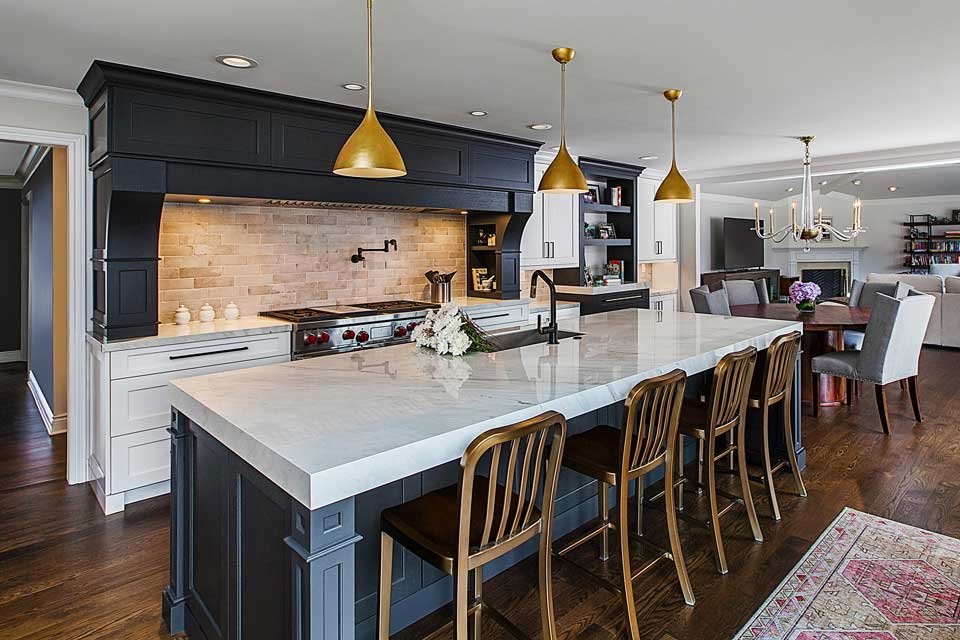
Bold Colors and Unique Finishes Making a Statement
- Deep Blues and Greens: These colors add depth and sophistication to kitchen spaces. Brands like Benjamin Moore and Sherwin-Williams offer a range of rich, saturated shades perfect for cabinetry and accent walls.
- Warm Neutrals: Earthy tones such as terracotta, beige, and warm gray are becoming popular for creating inviting and cozy kitchens.
- Bold Accents: Bright colors like mustard yellow, burnt orange, and teal are being used for statement pieces and accent features.
- Textured Surfaces: Matte and textured finishes for cabinets and countertops add visual interest and a tactile element to the kitchen.
- Mixed Metals: Combining different metals, such as brass, copper, and stainless steel, can create a dynamic and contemporary look.
- Natural Stone: Using natural stone for countertops, backsplashes, and flooring adds luxury and durability to the kitchen. Brands like Cambria and Silestone offer a variety of options in quartz and granite.
- Choose a Focal Point: Select one or two areas to highlight with bold colors or unique finishes, such as an island or backsplash.
- Balance with Neutrals: Pair bold elements with neutral tones to avoid overwhelming the space.
- Mix Textures and Materials: Combine different textures and materials to add depth and interest to the design.
- Test Samples: Before committing, test paint samples and material swatches to ensure they work well together in your kitchen lighting.
Multifunctional Spaces and Open-Concept Kitchen Designs
- Enhanced Social Interaction: Removing walls and barriers allows for better flow and communication between spaces, making it easier to interact with family and guests while cooking.
- Improved Natural Light: Open layouts allow natural light to flow throughout the space, creating a brighter and more inviting environment.
- Flexible Use of Space: Open-concept designs provide flexibility in furniture arrangement and usage, accommodating various activities and needs.
- Kitchen Islands with Seating: Adding seating to a kitchen island creates a space for casual dining, homework, or socializing.
- Built-In Desks: Integrating a small desk area into the kitchen provides a convenient workspace for paying bills, checking emails, or supervising homework.
- Hidden Storage Solutions: Utilizing creative storage options, such as pull-out pantries, corner cabinets, and built-in organizers, maximizes space and keeps the kitchen clutter-free.
Frequently Asked Questions
What are the top kitchen design trends for 2024?
Top kitchen design trends for 2024 include sustainable materials, smart technology integration, minimalist layouts, bold colors, and multifunctional spaces. These trends focus on enhancing functionality, aesthetics, and eco-friendliness, ensuring that modern kitchens are both stylish and practical for everyday use.
How can I make my kitchen eco-friendly?
To make your kitchen eco-friendly, use sustainable materials like bamboo or recycled glass, install energy-efficient appliances, and incorporate LED lighting. Brands like Caesarstone and Bosch offer eco-friendly products that enhance sustainability while maintaining high quality and aesthetic appeal.
What is the cost of a smart kitchen remodel?
Why are minimalist kitchens popular?
What are the benefits of an open-concept kitchen?
Open-concept kitchens enhance social interaction, improve natural light, and offer flexible space usage. By integrating the kitchen with living and dining areas, these designs create a cohesive and inviting environment, ideal for entertaining and family activities.